THE THANCHANOK DONHOMLA CASE IGNITES RED OUTRAGE: AUTHORITIES SWEEP AWAY, DETERMINED TO ERADICATE DARK HIDDEN CORNERS IN PATTAYA!
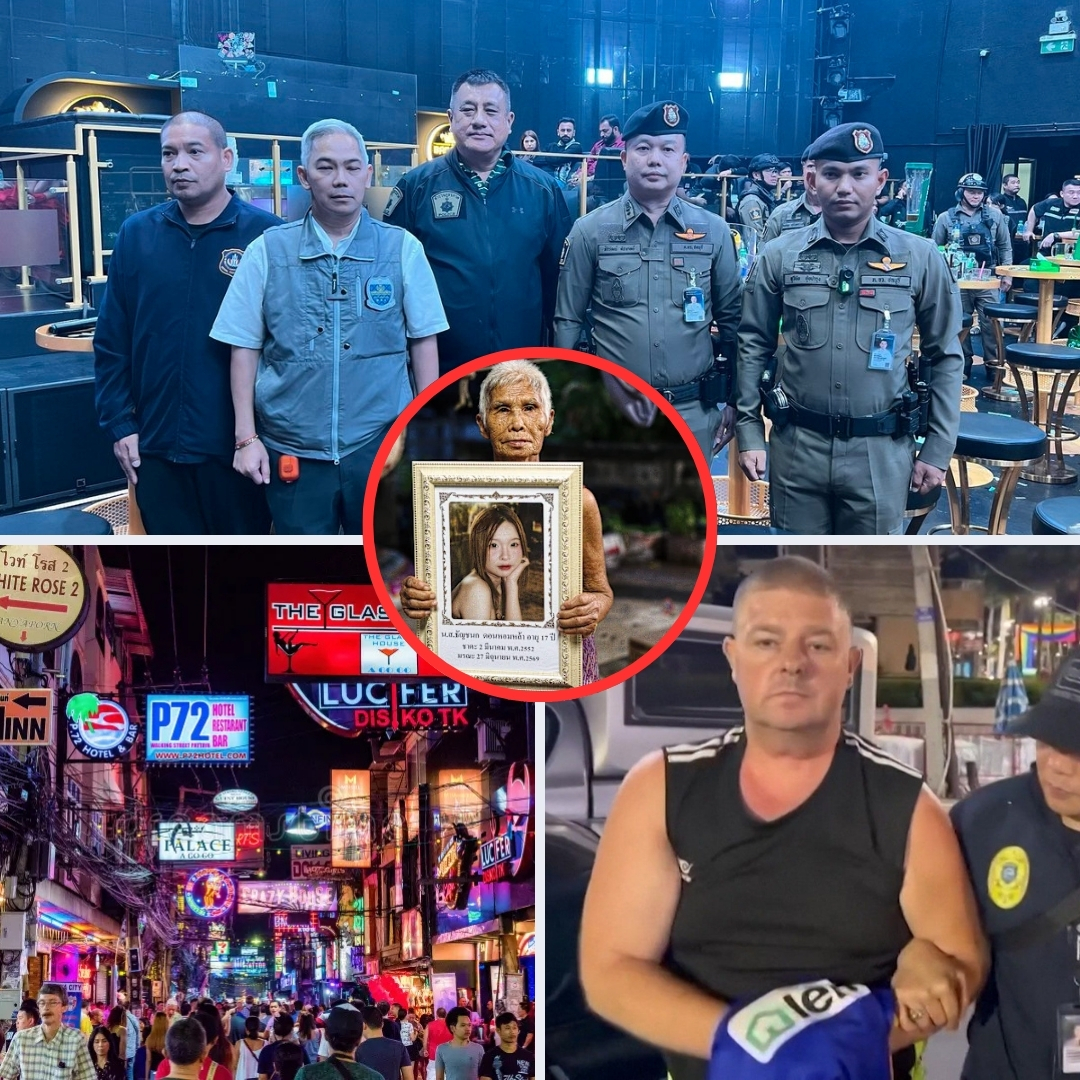
THE THANCHANOK DONHOMLA CASE IGNITES RED OUTRAGE: AUTHORITIES SWEEP AWAY, DETERMINED TO ERADICATE DARK HIDDEN CORNERS IN PATTAYA!

In the neon-drenched underbelly of Thailand’s infamous ‘Sin City’, a horrifying tragedy has shattered the fragile illusion of carefree nights and endless pleasures. The brutal death of 17-year-old Thanchanok Donhomla – affectionately known as ‘Cake’ to those who loved her – has sent shockwaves across the country and beyond, exposing the seedy realities lurking behind Pattaya’s glittering facade.
Her naked body, stuffed into a suitcase and dumped like discarded rubbish near railway tracks, has ignited a firestorm of public outrage. Now, Thai authorities, bowing to overwhelming pressure, have vowed a historic crackdown on the city’s dark corners – the bars, the back alleys, the ‘dragon world’ of exploitation where young lives are too often treated as disposable.

A PROMISING TEENAGER’S TRAGIC FATE




Thanchanok Donhomla was no hardened veteran of the streets. Described by family and friends as a dutiful, loving teenager from the quiet province of Kalasin, some 480 kilometres northeast of Pattaya, she was an only child who helped care for relatives, including her baby cousin. Just days before her death, she had promised to bring home clothes for the little one – a simple act of kindness that now haunts her grieving loved ones.
Cake, as she was called because she disliked her full name sounding ‘like a puppy’, arrived in Pattaya for what was reportedly her first visit to the bustling resort city. She was staying with a friend and, according to reports, ventured out into the notorious Beach Road area in the early hours of June 25.

CCTV footage, now central to the investigation, allegedly captures the moment she met 46-year-old Australian tourist Simon Peter Carman near the vice strip. The pair were seen entering a hotel together. Hours later, her friend reported her missing. When police eventually searched Carman’s rented condo, they found disturbing scenes – and later discovered Cake’s body discarded in long grass beside the tracks, about 4km away.

Carman, from Ballarat in Victoria, was arrested at Bangkok’s Suvarnabhumi Airport as he attempted to board a flight home. Scratch marks were reportedly visible on his arms and neck. He has been charged with murder, concealing a corpse, and other offences related to the abduction of a minor for indecent purposes. He denies the charges.

The details emerging from the case are as heartbreaking as they are gruesome. Family members speak of a girl who was selfless and family-oriented, far removed from the hardened image sometimes painted in such tragedies. Her father, Thongchai, expressed deep sorrow, noting how his daughter had grown up without her mother and always tried to help others.

THE OUTRAGE ERUPTS: PUBLIC DEMANDS ACTION
News of the killing spread like wildfire across Thai social media and international outlets, fuelling what many are calling a ‘red outrage’ – a wave of anger symbolised by the blood-red banners and calls for justice. Parents, activists, and ordinary citizens have taken to the streets and online platforms, demanding that Pattaya’s notorious underbelly be cleaned up once and for all.
“Why must our daughters pay with their lives for this unchecked chaos?” one viral post read, capturing the national mood. Petitions have circulated, calling for stricter enforcement of age restrictions, crackdowns on underage involvement in the sex trade, and greater protection for vulnerable young women drawn to the city’s bright lights and promises of quick money.

The Thai government and local authorities in Pattaya have responded with a decisive – and some say long-overdue – stance. Senior officials have announced emergency measures aimed at eradicating ‘sensitive areas’ and the hidden networks that allow such exploitation to thrive. Raids on bars, hotels, and entertainment venues suspected of facilitating illegal activities are reportedly ramping up, with a focus on protecting minors and curbing the excesses of the nightlife economy.
This isn’t just rhetoric. Reports indicate joint task forces involving police and specialised units have already begun sweeping operations. Nightclubs, massage parlours, and short-time hotels in key districts are under scrutiny. The message is clear: the era of turning a blind eye to protect tourism revenue may be coming to an end, at least in its most egregious forms.
PATTAYA: PARADISE OR PREDATOR’S PLAYGROUND?
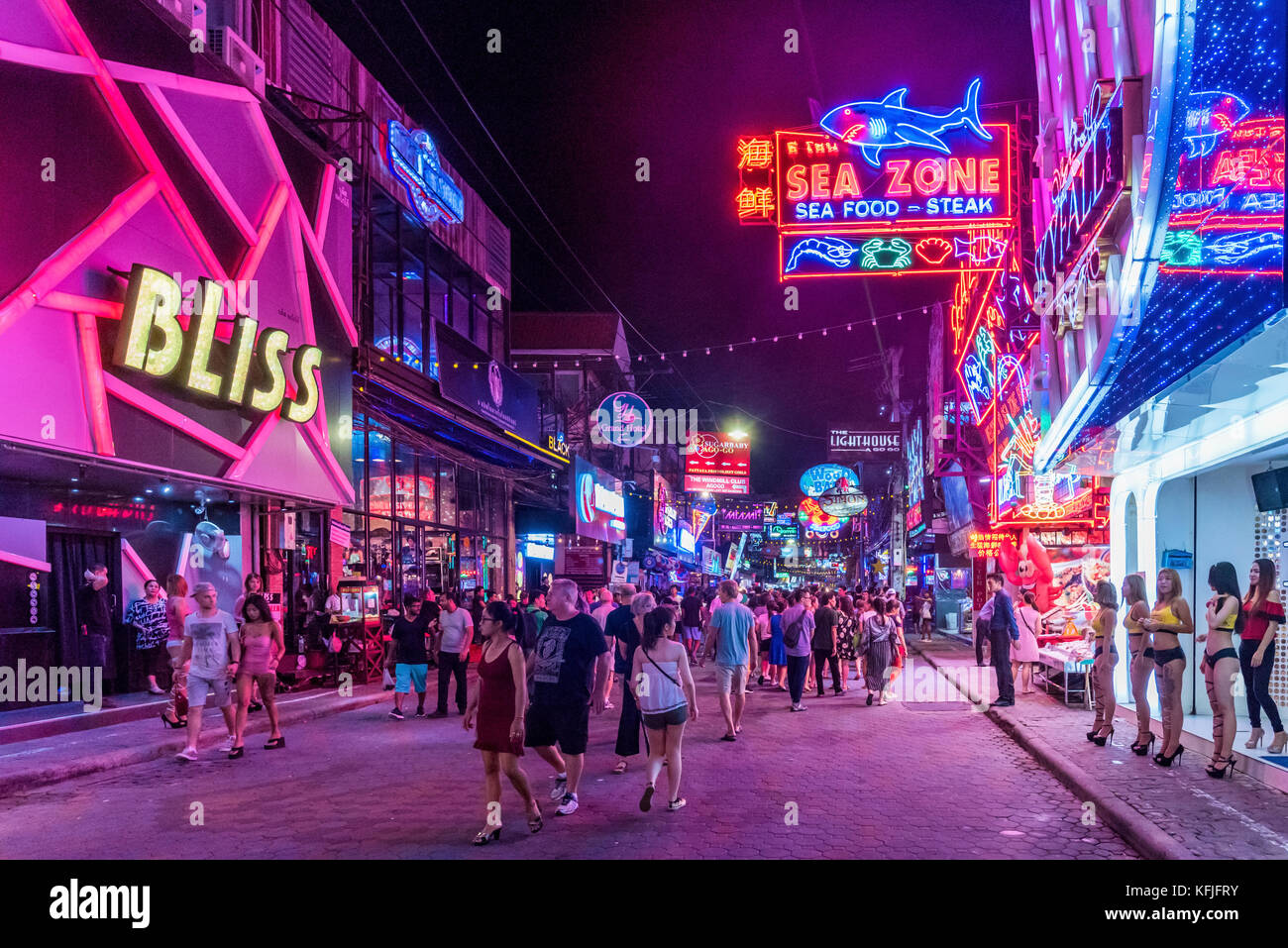
For decades, Pattaya has marketed itself as Thailand’s ultimate party destination – a ‘city that never sleeps’ where anything goes. Walking Street, Beach Road, and the surrounding sois have become synonymous with go-go bars, freelance sex workers, and a thriving sex tourism industry catering predominantly to foreign men, many from Western countries including Australia, Europe, and beyond.
The industry is estimated to employ tens of thousands directly and indirectly, pumping billions of baht into the local economy. But behind the flashing neon signs and thumping music lies a darker reality: vulnerability, exploitation, human trafficking concerns, and the all-too-frequent tragedies that rarely make international headlines until they reach this level of horror.
Campaigners have long warned that the unregulated nature of much of the scene leaves young women – and increasingly girls – at risk. Economic pressures in rural provinces push many towards Pattaya, where the promise of earnings far exceeds what factory or agricultural work can offer. But the power imbalances are stark, especially with intoxicated or entitled tourists who view the city as a no-rules playground.
The Donhomla case has thrown this into sharp relief. Commentators point out that Cake was just 17 – legally a minor in many contexts – and questions remain about how readily she was able to engage in such an environment. Her story resonates because, as one Australian outlet poignantly noted, she “might have been any teenager, anywhere,” drawn into circumstances far beyond her control.
THE SUSPECT AND THE SYSTEM
Simon Peter Carman’s background is now under intense scrutiny. Reports describe him as a 46-year-old who had been living in a modest condo in Pattaya. Police allege he went about ‘normal life’ in the hours and days after the incident before attempting to flee. His defence, according to some leaks, involves claims of a dispute over money that escalated, but authorities and the public remain unconvinced.
The swift arrest at the airport has been praised, but it has also raised uncomfortable questions about how many similar incidents go unreported or unresolved. Thai police are reportedly investigating whether Carman could be linked to other unsolved cases in the area.
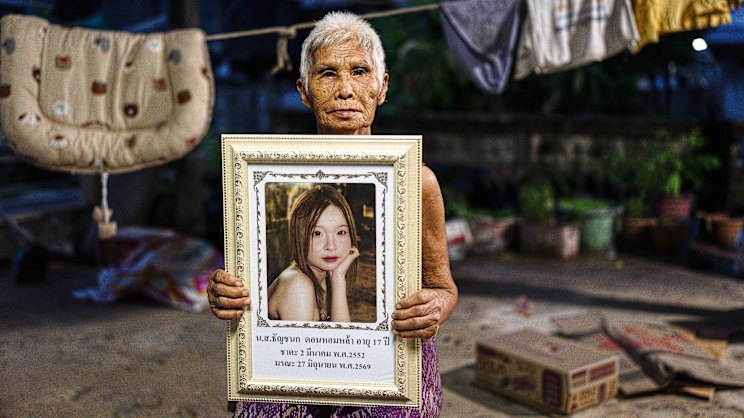
For Cake’s family, justice is paramount. They have laid her ashes to rest in a Buddhist ceremony in Kalasin, surrounded by mourning relatives holding portraits of the smiling teen. Her father and aunts have spoken movingly of their loss, demanding the death penalty in line with Thai law for such heinous crimes.
A TURNING POINT FOR PATTAYA?
The government’s strong response has garnered widespread support from the Thai public, who are tired of seeing their country’s reputation tarnished by unchecked vice. Prime ministerial-level statements have emphasised a commitment to ‘cleaning house’ while balancing economic realities. Tourism authorities are reportedly working on rebranding efforts to highlight family-friendly attractions alongside the inevitable nightlife.
But scepticism abounds. Past crackdowns in Pattaya and Bangkok have often been temporary, with businesses reopening under new names or in slightly different forms once media attention fades. Will this time be different? Activists demand sustained enforcement, better social support for at-risk youth, education programmes, and harsher penalties for those who prey on the vulnerable.
International observers are watching closely. The case has drawn attention from Australian media and beyond, highlighting the responsibilities of ‘sex tourists’ and the ethical minefield of Thailand’s entertainment industry. Some foreign embassies have issued updated travel advisories, urging caution in Pattaya’s red-light districts.
WHAT LIES AHEAD FOR THE CITY THAT NEVER SLEEPS?
As authorities begin their sweeps, the face of Pattaya is poised for potential transformation. Iconic spots like Walking Street, Soi 6, and the beachfront areas could see heightened policing, ID checks, and closures of problematic venues. Hotels and short-stay establishments may face stricter guest verification, while campaigns target the normalisation of underage involvement.
For locals dependent on the industry, the changes bring anxiety alongside hope for a safer environment. Many bar workers express fear following Cake’s death, with some reconsidering their livelihoods. Others see it as a chance for reform – perhaps moving towards better-regulated, safer models seen in parts of Europe or elsewhere in Asia.
Cake’s story is a tragic catalyst. Her smiling face in family photos now symbolises not just personal loss, but a broader call to protect Thailand’s youth from the shadows of its own success as a tourist haven. As one relative said through tears: “She was just a kid who wanted to help her family.”
The coming months will reveal whether the outrage translates into lasting change. Will Pattaya shed some of its darker elements, or will the cycle continue? For now, the message from authorities and the public is unmistakable: enough is enough. The hidden corners must be illuminated, the predators held accountable, and innocent lives shielded from further tragedy.
In the words of those demanding justice, this is not just about one horrific murder – it’s about the soul of a city and the future of countless vulnerable souls drawn to its lights. Thailand is watching. The world is watching. And Cake’s memory demands action.