BBC HEARTBREAK: Emma Britton dies at just 52 — but what happened in her final weeks makes her family’s last message even more devastating

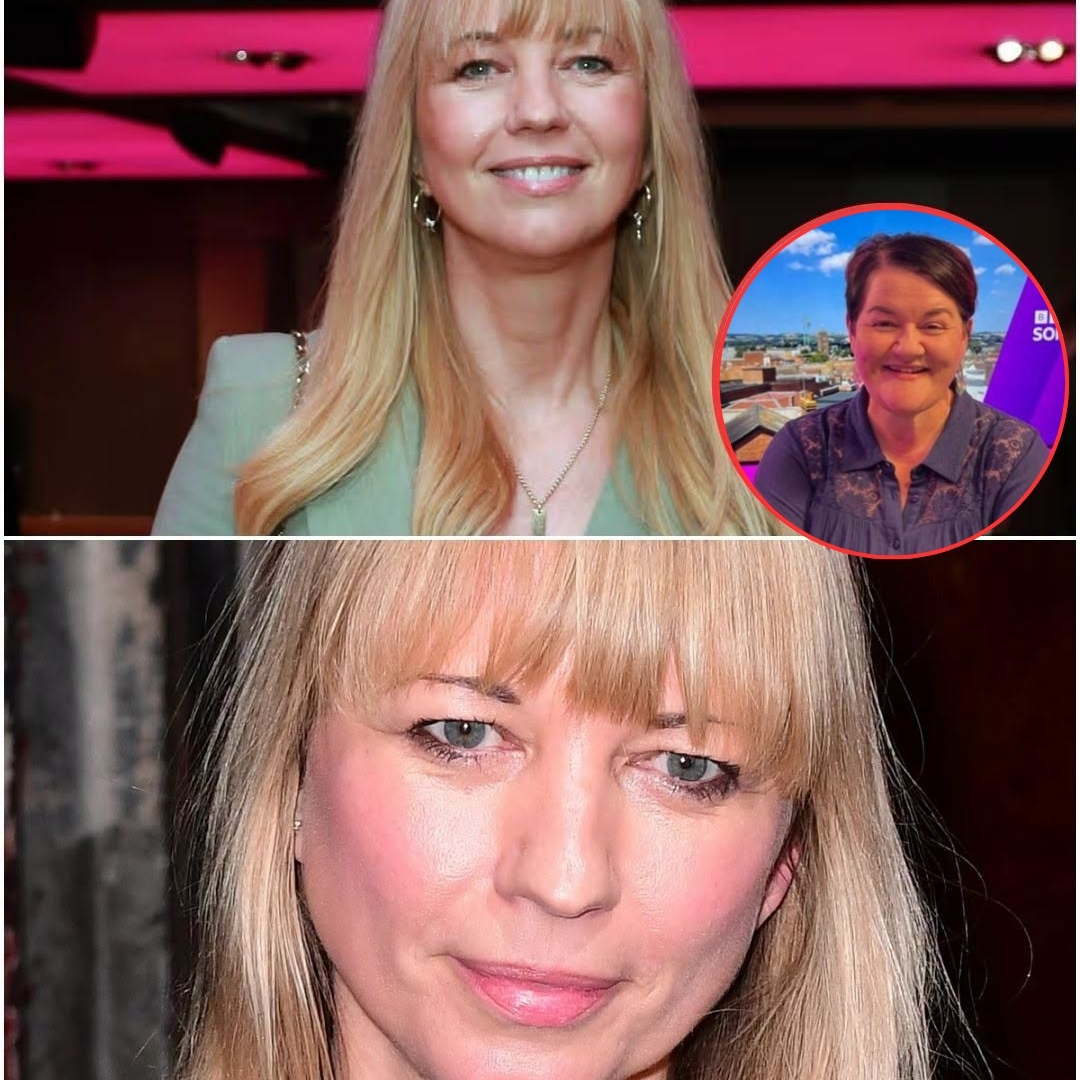
Emma Britton passed away aged 52 (Image: BBC)
Beloved BBC presenter Emma Britton has died aged 52, little more than a year after being diagnosed with incurable stage-four lung cancer. For listeners across Bristol and Somerset, she was the warm, unmistakable voice that helped start countless mornings. But behind the microphone, Emma had been fighting a deeply personal battle — and the sudden complication that struck just weeks before her death makes the final tribute from her family especially heartbreaking.
For years, Emma Britton was part of everyday life for thousands of radio listeners.
She joined BBC Radio Somerset in 2007, later taking over its breakfast programme in 2013 before moving to BBC Radio Bristol in 2016. Her warmth, humour and ability to switch from laughter to serious questioning made her one of the most recognisable voices in BBC local radio across the West.
Then, in 2025, everything changed.




The diagnosis that turned her life upside down
Emma was diagnosed with stage-four ALK-positive lung cancer in April 2025, with the ALK-positive form confirmed the following month. She had never smoked or vaped and later explained publicly that her cancer was driven by a genetic alteration rather than the usual smoking-related risk factors.
The diagnosis was incurable.
But Emma refused to disappear.
She spoke openly about treatment, returned to broadcasting on a freelance basis and tried to use her experience to help others facing the same terrifying news.
She began targeted therapy and described the support she received from the charity ALK Positive UK as transformative during the darkest period after her diagnosis.
“I was in a pretty dark place”
Emma never pretended the diagnosis was easy.
She acknowledged that the first weeks after learning she had cancer were extremely difficult.
But ALK Positive UK gave both Emma and her husband John something they desperately needed:
support.
Information.
Friendship.
And hope.
In February 2026, she raised more than £11,000 for the charity, describing it as the organisation that had helped stop her life from falling apart after the diagnosis.
At that point, Emma was not simply talking about cancer.
She was actively trying to make the journey easier for the people coming after her.
Then came the complication nobody expected
Despite living with incurable cancer, Emma had continued engaging with patients, broadcasters and medical professionals.
Earlier in 2026, she even spoke at major European conferences to help cancer specialists better understand what treatment and diagnosis feel like from the patient’s perspective.
Then, approximately three weeks before her death, everything suddenly changed.
Emma suffered a stroke.
Her family later said the complication came “out of the blue” and that, ultimately, it proved too much for her body.
She was admitted to Musgrove Park Hospital in Taunton.
And on Saturday, May 23, 2026, Emma died peacefully surrounded by the people she loved.
She was only 52.
Her family’s final message broke hearts
Emma’s family announced her death with a statement filled not only with grief, but also gratitude.
They said she had been deeply thankful for the love and medical care she received in her final months, and that they intended to commemorate her life in exactly the way she had wanted.
But one part of their message perhaps captured her legacy more powerfully than anything else.
They reflected on just how many people Emma had helped throughout her life.
That is what makes her loss feel bigger than the disappearance of a familiar voice from the radio.
Behind the broadcasting career was somebody who repeatedly placed herself at the centre of other people’s most difficult moments.
And tried to help.
BBC colleagues struggle to say goodbye
The tributes from the BBC were equally emotional.
Gareth Roberts, executive editor of BBC Radio Bristol and BBC Radio Somerset, remembered Emma as an exceptionally warm broadcaster whose passion for Bristol and Somerset could be heard every time she went on air. He also described her as an extraordinary colleague and friend.
Stephanie Marshall, Head of BBC West, called Emma a force of nature whose connection with her hometown of Bridgwater and the wider Somerset community was impossible to miss.
For those who worked alongside her, Emma’s appeal was simple.
She connected with people.
One moment she could be laughing uncontrollably with a listener.
The next, she could challenge somebody in authority because she wanted an answer on behalf of the audience.
That combination made her much more than a presenter reading from a script.
She changed careers — but never stopped helping people
Emma left her full-time BBC Radio Bristol breakfast role in 2020 after 13 years with the corporation.
But she did not withdraw from public life.
She became a freelance broadcaster, event host and celebrant, conducting weddings, funerals and other deeply personal ceremonies.
In many ways, the new career suited the quality colleagues admired most in her.
She understood people.
She knew how to listen.
And she knew how to find the right words when somebody else could not.
Those skills became even more poignant after her own cancer diagnosis.
Her illness became another way to help others
Rather than keeping the diagnosis entirely private, Emma chose to talk about it.
She discussed ALK-positive lung cancer.
She spoke about targeted therapy.
She challenged assumptions around lung cancer and smoking.
And she tried to educate people about the language used when speaking to cancer patients.
For somebody facing an incurable disease herself, that willingness to help others understand the experience became part of her final public legacy.
She was not simply documenting what was happening to her.
She was trying to make the experience less frightening for somebody else.
The woman behind the microphone
For listeners, Emma Britton may always be remembered as the voice accompanying the breakfast rush.
For her colleagues, she was the person whose humour and generosity filled a studio.
For the cancer community, she became an advocate.
But for her family, all of those public identities sit behind something much simpler.
She was Emma.
A wife.
A loved one.
Someone they were not ready to lose.
And that is why the family’s determination to celebrate her exactly as she wanted feels so poignant.
A career measured in more than listening figures
There will always be recordings.
Old radio clips.
Photographs from BBC studios.
Memories from colleagues and listeners.
But perhaps Emma’s real legacy is harder to measure.
It exists in the people she encouraged.
In the listeners who felt heard.
In the families she supported as a celebrant.
In the cancer patients who heard her speak openly about fear and hope.
And in the thousands of pounds she raised for the organisation that helped her when she needed support most.
Emma Britton’s death at 52 is undeniably cruel.
But the final chapter of her story is not only about illness.
It is about a woman who received devastating news, admitted that she had been frightened, found a community that helped her stand back up — and then spent the time she had left trying to make sure somebody else would not have to face the same darkness alone.