“SHE FELT LIKE A FRIEND IN YOUR LIVING ROOM”: Cilla Black’s Sudden Death Broke Britain’s Heart — and Eleven Years Later, Fans Still Cannot Truly Say Goodbye
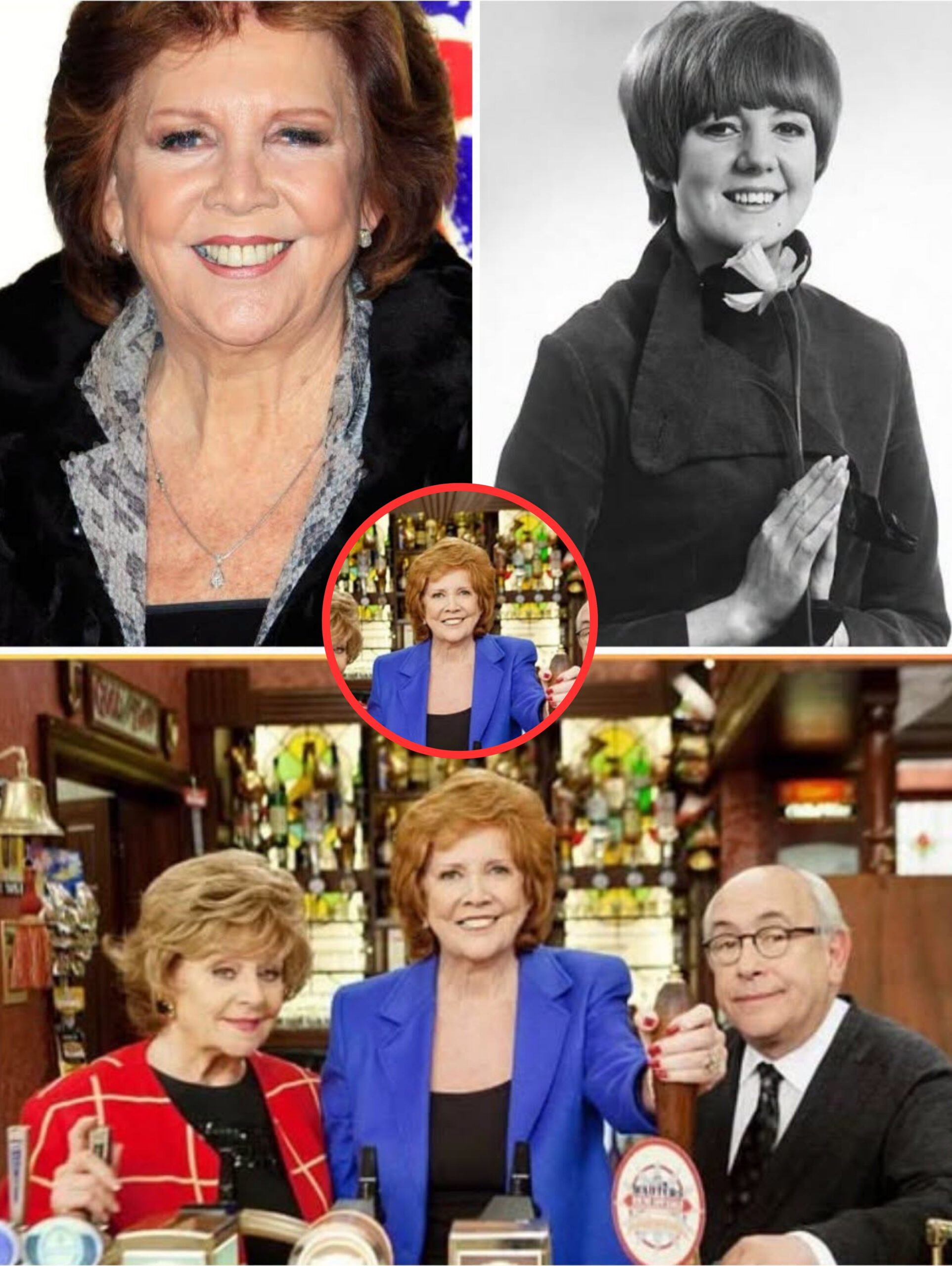
More than a decade has passed since Britain lost Cilla Black, yet for millions of people, the woman affectionately known as “Our Cilla” has never really disappeared.
Her songs still drift from radios and family playlists. Old episodes of Blind Date continue to bring back memories of Saturday evenings spent together in front of the television. Clips of Surprise Surprise still make viewers laugh one moment and wipe away tears the next.
And whenever that unmistakable Liverpool voice is heard again, something extraordinary happens: for a few precious minutes, it feels as though Cilla has simply walked back into the room.
That may be the greatest measure of her legacy. Cilla Black was not merely watched or listened to. She was welcomed into people’s homes, trusted by generations and remembered as someone who somehow made fame feel personal.
The Liverpool girl with an impossible dream
Long before the chart-topping records, glamorous dresses and prime-time television shows, she was Priscilla Maria Veronica White, born in Liverpool on May 27, 1943.


Her beginnings were far removed from the world of celebrity. As a teenager, she worked as a cloakroom attendant at the legendary Cavern Club, placing her at the heart of Liverpool’s rapidly growing music scene.
She was surrounded by young performers who would soon transform popular culture, including The Beatles and Gerry and the Pacemakers. But Cilla did not intend to remain behind the cloakroom counter.
She wanted to sing.
Her transformation from Priscilla White into Cilla Black came through an unexpected mistake: the music newspaper Mersey Beat printed her surname incorrectly. Rather than rejecting the new name, she embraced it — and one of Britain’s most recognisable stage identities was born.
John Lennon encouraged Beatles manager Brian Epstein to listen to her. Her first audition did not go as planned, but Cilla refused to surrender her dream. Epstein later saw her performing at Liverpool’s Blue Angel club and signed her in September 1963 as his only female vocalist. Producer George Martin subsequently brought her to Parlophone Records. Cilla Black’s official biography chronicles the remarkable journey from Cavern cloakroom attendant to national star.
It was the opportunity she had been waiting for.
The voice that stopped listeners in their tracks
Cilla’s debut single, Love of the Loved, introduced her to the British charts in 1963. But it was her extraordinary recording of Anyone Who Had a Heart that changed everything.
Released during the height of the 1960s pop explosion, the song showcased a voice that was powerful, emotional and impossible to confuse with anyone else’s. It became her first UK number-one single in 1964.
Then came You’re My World.
The dramatic ballad gave Cilla a second consecutive number one and confirmed that she was no passing sensation. She would ultimately achieve 19 UK Top 40 singles, release 15 studio albums and perform at major venues around the world, according to her official biography.
Songs including Alfie, Step Inside Love and Something Tells Me further cemented her place in British music history.
Yet even at the height of her success, there was something refreshingly familiar about Cilla. She possessed the glamour of an international star, but she never completely lost the warmth, humour or directness of the Liverpool girl who had once dreamed of being allowed onto the Cavern stage.
The reinvention nobody could have predicted
Many singers struggle when musical tastes begin to change. Cilla did something far more difficult: she reinvented herself without losing the personality audiences had fallen in love with.
Her BBC variety programme Cilla ran from 1968 until 1976 and allowed viewers to see more than her singing talent. They discovered her humour, spontaneity and remarkable ability to connect with ordinary people.
Television eventually transformed her into something even bigger than a pop star.
Surprise Surprise, which began in the 1980s, placed Cilla at the centre of emotional reunions, family stories and life-changing surprises. She could move seamlessly from laughter to tears, giving every guest the sense that their story truly mattered.
Then came Blind Date.
Beginning in 1985, the dating programme became one of Britain’s defining Saturday-night shows. Cilla’s playful questions, raised eyebrow and famous expressions became woven into popular culture. She did not simply introduce contestants — she teased them, encouraged them and shared in the audience’s delight when romance appeared possible.
The official archive of her television career records a remarkable body of work that also included The Moment of Truth, comedy programmes, specials and hundreds of guest appearances.
Former ITV executive Lord Grade later explained her appeal beautifully: she felt “like a friend in your living room”. That quality allowed Cilla to survive changing fashions and television trends. Viewers did not merely tune in for the format. They tuned in for her.
Bobby: the love behind the star
Behind Cilla’s public success stood Bobby Willis, the man she had first met while serving coffee at Liverpool’s Zodiac club.
They married in 1969, and Bobby became not only her husband but also her manager and closest professional partner. Together, they navigated the unpredictable world of entertainment while building a family away from the cameras.
Their marriage lasted 30 years, until Bobby’s death in 1999.
His loss affected Cilla deeply. Yet she continued working, supported by her sons and by the affection of a public that had watched her life unfold across several decades.
Her eldest son Robert eventually became her manager, continuing the family partnership that had been so central to her career.
The sudden final chapter nobody expected
On August 1, 2015, Cilla died at her home in Estepona, Spain. She was 72.
The news arrived with devastating suddenness. There had been no long public farewell and no carefully planned final appearance. A woman whose presence had seemed almost permanent was suddenly gone.
Her family later explained that she had lost her balance while on her private terrace, fallen backwards and struck her head. A post-mortem found that the fall left her unconscious and led to a stroke. A Liverpool inquest subsequently recorded a verdict of accidental death, concluding that she died from a traumatic head injury following the fall. Sky News reported her family’s account, while the inquest findings confirmed the accidental nature of her death.
Her sons said they were devastated but took some comfort from being told that their mother would not have suffered.
Across Britain, the reaction felt less like the death of a distant celebrity and more like the loss of somebody familiar.
“It was a privilege to know and love her”
Tributes arrived from musicians, television colleagues, political figures and lifelong friends.
Paul McCartney remembered the young cloakroom attendant he had first met at the Cavern Club and praised her distinctive voice and infectious spirit. He described knowing and loving her as a privilege. Ringo Starr remembered her as a good friend, while Sir Cliff Richard spoke of an outrageous, funny and deeply gifted woman who was “full of heart”. Sky News collected the heartfelt tributes.
Christopher Biggins called her a life force. Jimmy Tarbuck described her as “Liverpool’s Cinderella” — the girl whose remarkable journey had taken her from an ordinary working-class childhood to the grandest stages in British entertainment.
At her funeral in Liverpool, admirers lined the streets to say goodbye.
But perhaps they were not saying goodbye only to a performer. They were bidding farewell to Saturday-night television as they remembered it: families gathered in one room, waiting for Cilla’s smile, her laugh and that familiar greeting.
Why Cilla still matters
Cilla Black’s success cannot be measured only through record sales, ratings or awards.
Her greater achievement was emotional.
She made shy contestants feel brave. She helped separated families find one another. She brought humour into millions of homes and proved that a woman from Liverpool could conquer both the music charts and British television without erasing the personality that had made her special.
She was glamorous without becoming unreachable. Famous without ever seeming entirely distant. Warm without appearing rehearsed.
Her official website marked the tenth anniversary of her death in 2025 by inviting fans to remember the life and career of a genuine music and television trailblazer. Today, her recordings, television appearances and extraordinary journey continue to introduce “Our Cilla” to audiences who were not even born during her greatest years.
Eleven years after her sudden passing, the sadness remains — but so does the joy.
Cilla Black may have left the stage, yet her voice still fills the silence. Her warmth remains in the memories of those who watched her. Her story continues to inspire anyone who has ever carried an impossible dream.
And perhaps that is why Britain has never truly managed to say goodbye.
Because whenever Cilla sings, laughs or asks one of those wonderfully mischievous questions in an old television clip, she does not feel like a star from the past.
For one more moment, she feels like a friend who has come home.