“PAY FOR SOMEONE ELSE’S DEGREE?” — Pauline Hanson Sparks Explosive Senate Clash Over HECS Plan

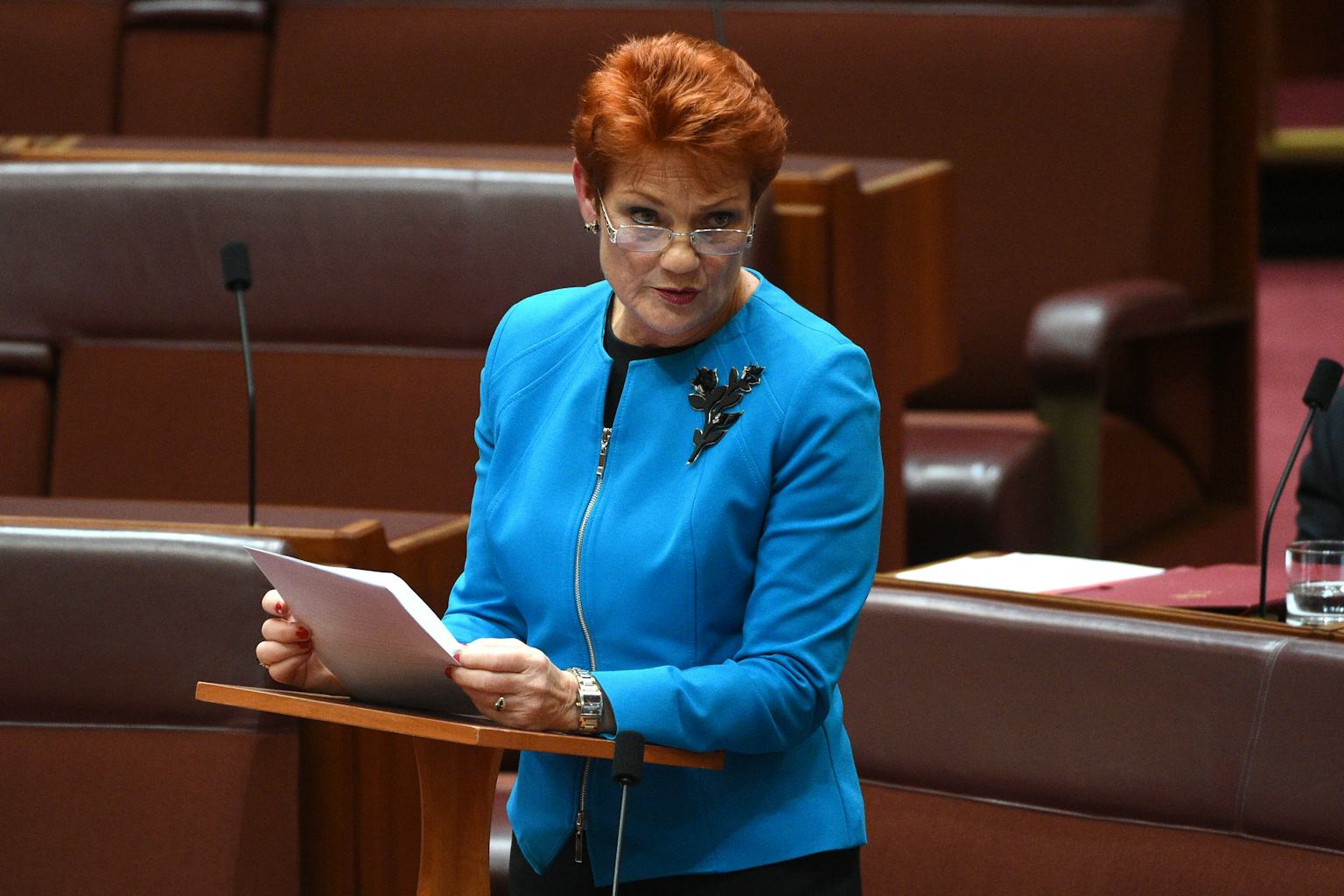
A heated debate inside the Australian Senate has erupted into one of the most explosive political clashes in recent weeks, as Pauline Hanson launched a fierce attack on a proposed student debt relief plan, accusing the government of engaging in what she called “pure vote buying.”
The confrontation unfolded during discussions surrounding proposed changes to Australia’s HECS student loan system, a policy designed to ease financial pressure on graduates by reducing a portion of their outstanding debt. While supporters have framed the plan as necessary relief amid rising living costs, Hanson has taken a sharply different stance.

From the outset, her remarks were blunt and uncompromising. She acknowledged that many Australians are struggling with the cost of living but argued that the proposed solution unfairly shifts the burden onto taxpayers. In her view, the policy effectively forces everyday Australians to subsidize university graduates—many of whom may go on to earn higher incomes.




“This is about buying votes,” Hanson declared, warning that such measures risk undermining fairness in the system. Her comments quickly ignited a wave of reaction both inside and outside parliament.
Central to Hanson’s argument is the question of equity. She raised concerns about workers who did not attend university—such as tradespeople—being required, through taxation, to support those who pursued higher education. For her, this represents a fundamental imbalance in how government resources are distributed.
At the same time, she warned about the long-term financial implications. Citing figures related to existing HECS debt, Hanson argued that adding further reductions could significantly increase the overall burden on the national budget. She suggested that what may appear as short-term relief could ultimately translate into long-term costs for taxpayers.
Her critique also extended to the structure of the policy itself. Hanson pointed to modeling that indicates some graduates—particularly those on lower incomes—may take longer to repay their loans under the proposed changes. According to her argument, this could result in higher total repayments over time, raising questions about whether the policy truly benefits those it is intended to help.
However, supporters of the debt relief plan strongly reject this framing. They argue that the proposal must be understood in the context of broader economic pressures facing younger Australians. Rising housing costs, increasing living expenses, and stagnant wage growth have created a financial environment that many describe as increasingly difficult to navigate.
From this perspective, reducing student debt is seen not as a handout, but as a targeted economic measure aimed at providing relief and supporting long-term financial stability. Advocates suggest that easing debt burdens can increase disposable income, stimulate economic activity, and allow younger generations to participate more fully in the economy.
The clash between these perspectives highlights a deeper divide in how policymakers view the role of government. On one side is an emphasis on fiscal discipline, personal responsibility, and fairness to taxpayers. On the other is a focus on economic support, social investment, and adapting policy to changing economic realities.
Hanson’s remarks have also drawn criticism from opponents who argue that her comments oversimplify a complex issue. Some have labeled her stance as “out of touch,” suggesting that it fails to account for the structural challenges faced by many graduates in today’s economy.
Nevertheless, her supporters argue that she is voicing concerns that resonate with a significant portion of the public. For them, the debate is not just about student debt, but about broader questions of fairness, accountability, and how government spending priorities are determined.
The political stakes surrounding the issue are also significant. Accusations of “vote buying” carry weight in democratic systems, where public trust in government decision-making is crucial. Whether the policy is perceived as genuine economic support or political strategy may ultimately shape how it is received by voters.
Meanwhile, the broader economic context continues to fuel the debate. Australia, like many countries, is grappling with cost-of-living pressures that have intensified public scrutiny of government policies. In such an environment, decisions about taxation, spending, and financial relief are likely to remain highly contested.
Inside parliament, discussions are expected to continue as lawmakers weigh the potential benefits and risks of the proposal. Outside, the debate is already playing out across media platforms and social networks, where public opinion appears sharply divided.
For many observers, the controversy underscores the complexity of designing policies that balance competing priorities. Providing relief to one group may create perceived disadvantages for another, making consensus difficult to achieve.
As the debate unfolds, one thing is clear: the issue of student debt has become a focal point for broader tensions about economic fairness and the role of government in addressing financial challenges.
With voices like Pauline Hanson continuing to amplify the discussion, the conversation is unlikely to fade anytime soon. Instead, it may shape not only the future of education policy but also the broader political landscape in Australia.