NO ONE EXPECTED ANN WIDDECOMBE’S FAMILY TO MAKE THIS DECISION
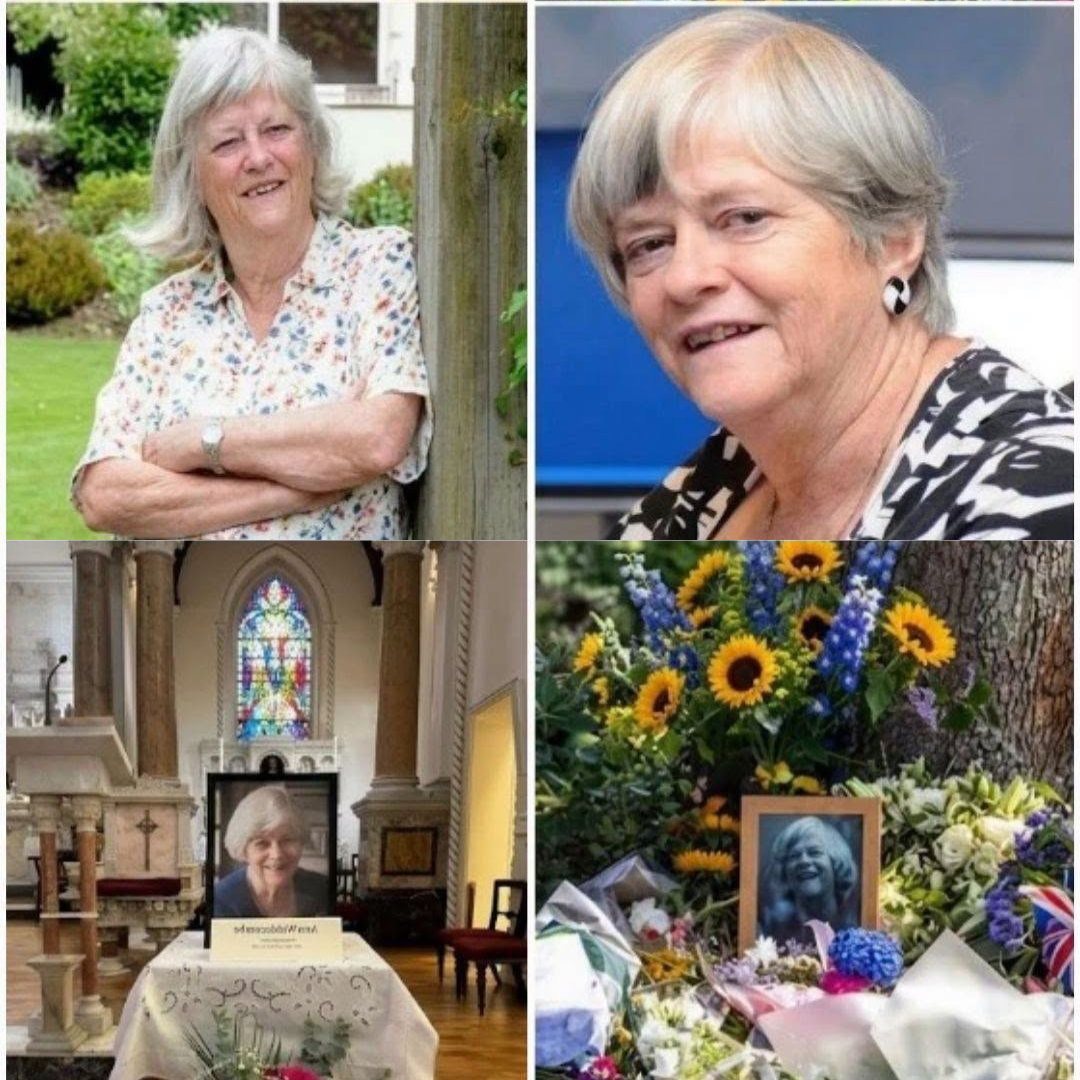
Ann Widdecombe’s Family Chooses Private Funeral Before Public Memorial as Nation Reflects on Her Legacy
Ann Widdecombe’s family has made a deeply personal decision about her final farewell: a private funeral for family and close friends first, followed later by a public memorial where admirers, colleagues and supporters can pay tribute.
The choice has moved many people because it draws a clear line between private grief and public life. Widdecombe was a nationally known figure — a former Conservative minister, later associated with Brexit Party and Reform UK politics, a broadcaster, author and outspoken commentator. But to those closest to her, she was not only a public personality. She was family, friend, colleague and loved one.
ITV News reported that Widdecombe’s family said arrangements had already been made for a private funeral, while a public memorial would be held later in the year because of significant public interest.
A Private Goodbye First
The family’s decision appears to be rooted in a simple human need: space to mourn without the pressure of national attention.
High-profile deaths often create a difficult tension. The public wants to pay respects. Politicians, former colleagues and supporters want to honour a life of service. Media attention follows every arrangement. But families also need privacy, silence and control over a moment that belongs first to them.



By choosing a private funeral, Widdecombe’s loved ones have signalled that the first farewell will not be a political event, a media spectacle or a public procession. It will be an intimate act of mourning.
That decision is especially understandable given the circumstances of her death. Counter Terrorism Policing South East confirmed that a man had been charged with murder following Widdecombe’s death and offered condolences to her family and those who knew and loved her. Criminal proceedings are active, and the defendant has the right to a fair trial.
Why a Public Memorial Will Follow
The second part of the family’s decision is just as important. A public memorial later in the year recognises that Widdecombe’s life had a public dimension.
She spent decades in politics and public debate. She was admired by supporters for her conviction, independence and willingness to speak bluntly. She was criticised by opponents for the same qualities. But few would deny that she was a distinctive figure in British public life.
The University of London, where Widdecombe had earlier worked as a senior administrator, published a tribute noting her death and her connection to the institution. The Association of Papal Orders in Great Britain also paid tribute, reflecting her Catholic faith and the religious dimension of her life.
A public memorial gives people outside the family a way to mark that legacy without intruding on the private funeral.
Why the Decision Has Resonated
The decision has touched supporters because it feels restrained and dignified at a time when public grief can quickly become politicised.
Widdecombe was not a neutral figure. She provoked strong reactions throughout her career. Supporters saw her as principled. Critics saw her as uncompromising. Some disagreed strongly with her politics, social conservatism or public statements. But death, especially in tragic circumstances, changes the tone. It reminds the country that public figures are human beings before they are symbols.
The family’s approach asks the public to recognise both realities: the public may remember her, but the family must grieve her.
A Legacy of Conviction and Controversy
Any serious account of Widdecombe’s legacy must be balanced. She was a prominent Conservative politician, served as a minister, became a well-known media personality, and later remained active in debates over Europe, sovereignty, religion and social values.
She was admired by many for discipline, faith, loyalty to principle and plain speaking. She also attracted criticism from those who believed her views were too hardline or out of step with a changing Britain.
That complexity is part of her story. A public memorial does not require everyone to agree with her. It gives people space to acknowledge that she mattered — politically, culturally and personally.
The Investigation Continues
The memorial decision comes while the legal process continues. Police and prosecutors have stressed the importance of fairness and due process. The Guardian reported earlier that police had said there was nothing at that stage to suggest her death was politically motivated, while later reports said investigators had reopened an inquiry into an incident involving Nigel Farage as part of the wider investigation.
That means speculation should be avoided. The courts, not social media, will determine guilt or innocence. For now, the family’s grief should not be turned into a vehicle for unproven claims.
Conclusion
Ann Widdecombe’s family has chosen a private funeral first and a public memorial later — a decision that reflects both love and restraint.
It allows those closest to her to say goodbye away from cameras and commentary. It also recognises that her life was lived, in part, on a national stage, and that many people will want a chance to pay their respects.
The choice is moving because it protects the family’s grief while honouring the public’s connection to a woman who left a lasting mark on British politics and public debate.
In the end, the decision says something simple: before legacy, before argument, before politics, there is mourning.