🚨 BREAKING: Pauline Hanson PUTS LABOR UNDER FIRE As Citizenship Surge Before Election SPARKS Voting Controversy

Pauline Hanson Ignites Firestorm: Labor Accused of “Citizenship Surge” in Marginal Seats Ahead of Election – Is It Voter Engineering or Backlog Clearing?

One Nation leader Pauline Hanson has launched a fierce attack on the Albanese Labor government, claiming it is rushing through 12,500 citizenship approvals just before the next federal election, with a heavy focus on the western suburbs of Sydney. Hanson alleges that Home Affairs Minister Tony Burke is personally conducting mass citizenship ceremonies in Labor-held marginal seats, then directing new citizens straight to the Australian Electoral Commission (AEC) to enrol and vote.
The Claim: Timing, Location and Motive
In a fiery speech, Hanson questioned why the government would accelerate citizenship ceremonies at this moment, especially in key western Sydney electorates. She argued the move is designed to secure votes in marginal seats, pointing out that new citizens are immediately encouraged to register to vote — a standard legal process but one she says is being weaponised.




Hanson stressed she is not against migration itself but insists it must be sustainable and managed. She criticised Labor’s high immigration intake (citing figures around 1.4 million over recent years) and warned that rapid population growth is straining housing, infrastructure, services and the Australian “way of life.” She urged new migrants to embrace Australian values rather than import problems from their countries of origin, and called on voters not to reward Labor at the ballot box.
What Actually Happened?
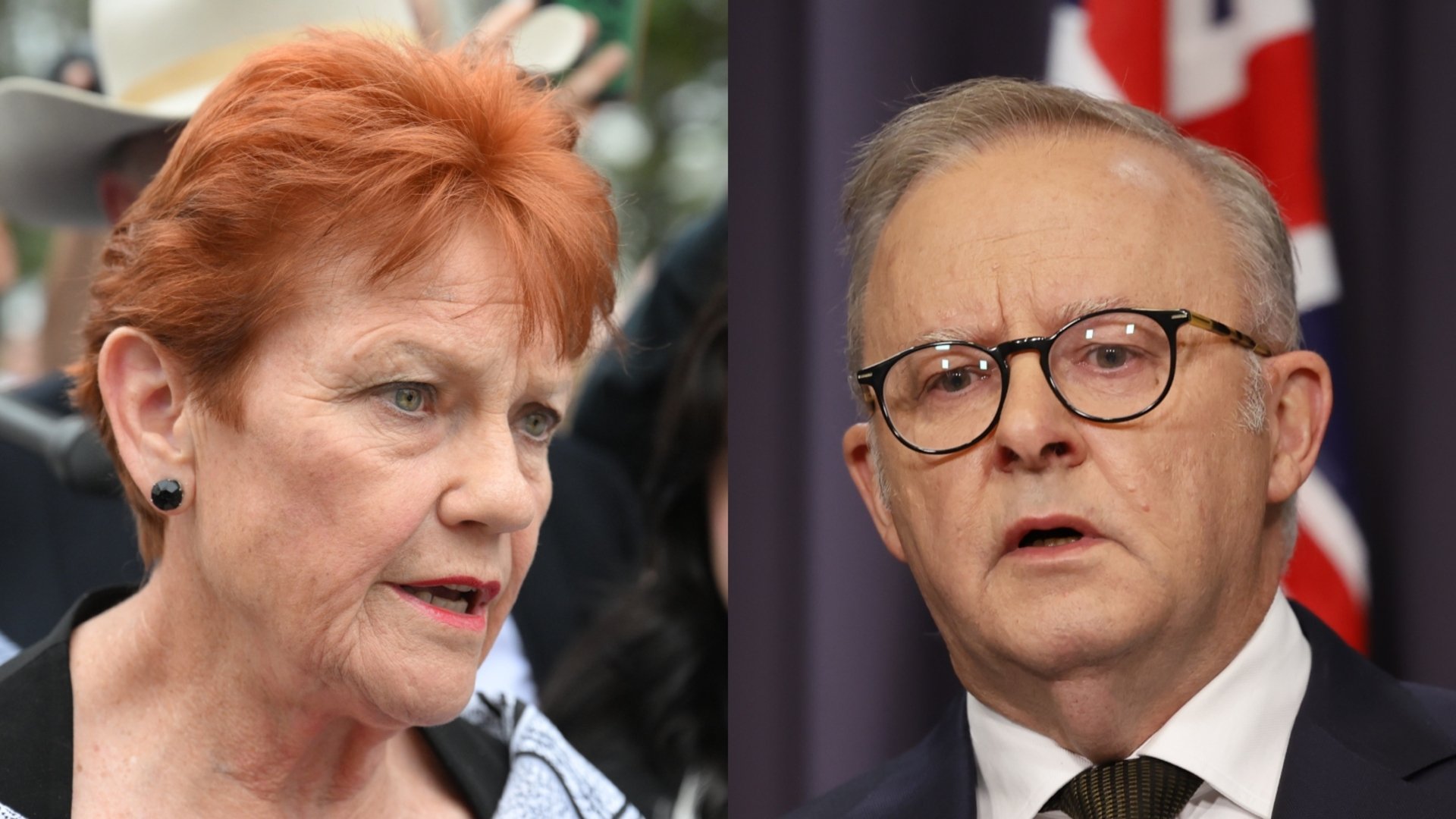
Reports from early 2025 (during the lead-up to the May 2025 federal election) confirm that Tony Burke presided over large-scale citizenship ceremonies, including a blitz of around 6,000 in western Sydney over one weekend. Opposition figures and some local mayors accused the minister of taking over ceremonies traditionally run by councils, suggesting it was politically motivated to build goodwill in Labor heartland and marginal seats.
Burke and the government strongly denied “fast-tracking” approvals or engaging in electoral engineering. They described the events as an effort to clear a significant backlog in citizenship processing and stated that similar ceremonies were held across major cities and regional areas — not exclusively in western Sydney. The Department of Home Affairs has the legal authority for ministers to conduct ceremonies, though large-scale ministerial involvement is less common.
New citizens are indeed informed of their right and obligation to enrol to vote. Voting is compulsory for Australian citizens aged 18 and over, and the AEC routinely assists with enrolment at or after ceremonies. However, there is no evidence of illegal coercion or guaranteed voting patterns. New citizens come from diverse backgrounds and their voting behaviour varies widely based on economic conditions, personal values and community experiences.
Immigration Numbers: Context Matters
Hanson referenced high immigration under Labor. Official data shows net overseas migration (NOM) peaked at over 500,000 in 2022-23 post-COVID, then fell to around 306,000 in 2024-25. Over the first three years of the Albanese government, cumulative net migration reached roughly 1.27 million — a record high that contributed to population pressures.
The Permanent Migration Program for 2025-26 was set at 185,000 places, the same as the previous year. The government has acknowledged immigration was “too high” at times and has implemented measures to bring numbers down, including tighter student visa rules. Still, rapid population growth has been linked by critics to worsening housing affordability, infrastructure strain and cost-of-living pressures — issues that resonate strongly in outer suburban and regional Australia.
Broader Debate: Integration, Sustainability and Election Timing

This controversy taps into deeper anxieties about Australia’s immigration settings. Supporters of Hanson argue that uncontrolled or poorly managed migration risks overwhelming services and diluting national identity. They call for lower overall numbers, stronger integration requirements, and prioritising Australian citizens in housing and jobs.
Labor and many economists counter that skilled migration supports economic growth, fills labour shortages, and expands the tax base to fund services. They point out that citizenship is a rigorous process involving residency, English language, character checks and a citizenship test. New citizens have often contributed for years through work, study or humanitarian pathways.
The timing of any surge — whether real or perceived — inevitably raises eyebrows in an election year. With the next federal election due by May 2028 (and possibly earlier), immigration and population policy remain potent political battlegrounds. One Nation has seen polling gains by tapping into voter frustration over housing, cost of living and cultural change.
The Bigger Picture
Citizenship is a profound milestone for migrants who have built lives in Australia. For many, it represents years of effort and commitment to their new home. At the same time, governments must manage processing fairly and transparently without any perception of political manipulation.
Questions worth asking include:
- Should ministers personally conduct large numbers of ceremonies in politically sensitive areas?
- Is the current pace of citizenship grants appropriate, or does it need tighter controls?
- How can Australia balance the economic benefits of migration with pressures on housing, wages and social cohesion?
Pauline Hanson’s intervention has once again thrust immigration and citizenship into the spotlight. Whether her claims reflect genuine concerns about democratic integrity or are classic election-year rhetoric, the underlying issues — sustainable population growth, integration and public trust — will not disappear after polling day.
Australians deserve a mature debate based on facts, not just headlines. High migration can bring dynamism and diversity, but only if paired with proper planning for infrastructure, housing supply and social integration. Without that balance, public confidence erodes — and voices like Hanson’s grow louder.
What do you think? Is the government simply clearing a backlog, or is there a political strategy at play with citizenship timing? Should Australia significantly cut immigration levels to protect living standards? Drop your views in the comments below — this debate is only heating up as we head toward the next election.