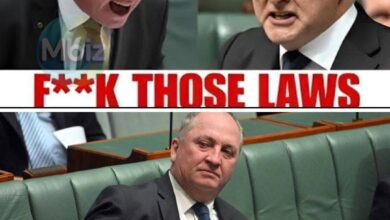
🚨 3 MINS AGO! ALBANESE GOVERNMENT UNDER FIRE AS MPs ISSUE STRONG WARNING

Australia stands at a historic and controversial crossroads. As the Albanese Government recently pushed through new hate crime legislation, national opinion is sharply divided: one side believes Australia has become safer from violent extremism, while the other fears that free speech is being “bubble-wrapped” and dangerously controlled. This is no ordinary piece of legislation; it is a high-stakes test of the balance between national security and core democratic values.

1. The Government’s Decisive Strike: For Security or Power?
Following the horrific tragedy at Bondi Beach, the Albanese Government accelerated the passage of hate crime laws with the explicit goal of cracking down on violent extremist groups.
-
A Three-Pronged Legal Attack: The new laws focus on three key pillars: increasing penalties for hate crimes, empowering Ministers to ban groups that spread hatred, and granting authority to cancel or refuse visas for individuals deemed a threat.
-
-
The ASIO Shield: To reassure the public, Minister Murray Watt emphasized that the legislation includes a critical “safeguard.” Any action to ban a group must be based on a recommendation from the Director-General of ASIO (Australian Security Intelligence Organisation)—an independent and highly credible body.
-
Intended Targets: The government insists these laws specifically target organizations that actively incite violence and intimidate the community, rather than serving as a tool to stifle dissenting opinions.




2. Alarms from Legal Experts: The Lethal “Gray Zones”
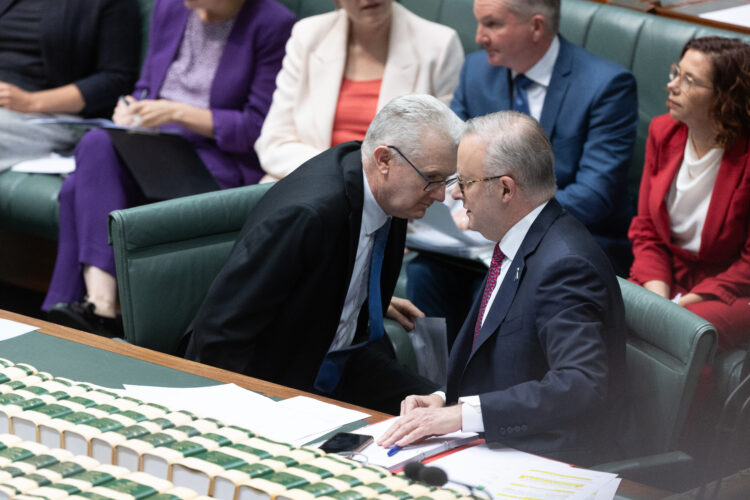
Despite the noble stated intentions, leading constitutional experts, most notably Professor Anne Twomey, have raised profound concerns regarding the loopholes in this legislation.
-
Vague Definitions: Professor Twomey warned about the phrase “economic harm” embedded within the law. This is an extremely flexible concept prone to misuse. If a political party or protest group opposes tax policies or mining projects, could they be branded as causing “economic harm” and subsequently banned?.
-
Future Abuse of Power: The primary concern is not necessarily the current government, but those of 10 or 20 years from now. Once these broad discretionary powers are on the books, they could become weapons for future politicians to suppress dissent under the guise of “security”.
3. Cracks in the Coalition and the Fury of the Independents
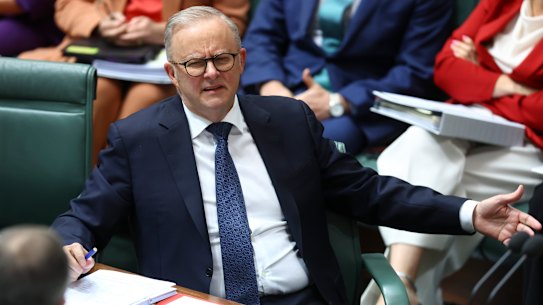
An unexpected development in Australian politics is the rare consensus between the Labor and Liberal parties, which has sparked a major rift within the opposition coalition and outrage among independent MPs.
-
The National Party Split: Senator Matt Canavan publicly opposed the laws, arguing they are far too broad and threaten the fundamental right of Australians to freely associate.
-
“Politics at its Worst”: Independent Senator Fatima Payman did not mince words, calling it “fear-driven lawmaking.” She warned that laws written in haste often create unintended and damaging consequences.
-
Eroding Public Trust: Senator David Pocock argued that the “ramming through” of the bill by Labor and the Liberals—without thorough community consultation—is significantly contributing to the declining public trust in politicians.
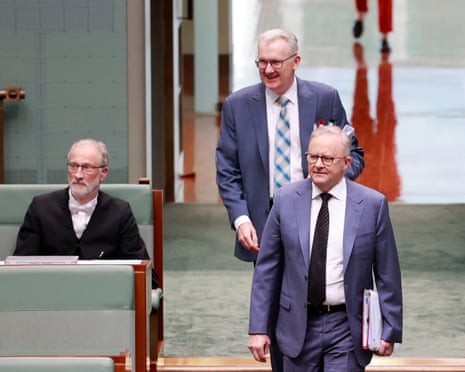
Australia is playing a high-stakes game with its fundamental rights. The pursuit of absolute safety risks sacrificing core values such as freedom of speech and the right to protest—the very pillars of a healthy democracy.
While the laws have passed, the real battle has only just begun. The question now is: Can ASIO maintain absolute independence in the face of political pressure? Will Ministers exercise their discretion responsibly, or will “mission creep” gradually stifle legitimate criticism?.
The world is watching Australia to see if the nation can find the “sweet spot” between security and freedom, or if it has inadvertently set a precedent for future authoritarian overreach. The ultimate test of this legislation will lie in the hands of the Australian people.