🚨 SHOCK IN AUSTRALIA: One Nation’s Migration Promise Suddenly Under Fire — So Is the Real Number 130,000… or 230,000?
🚨 SHOCK IN AUSTRALIA: One Nation’s Migration Promise Suddenly Under Fire — So Is the Real Number 130,000… or 230,000?
One Nation has found itself at the centre of a growing political storm after one of its own MPs appeared to reveal a migration figure that is far higher than many voters may have expected.
David Farley said the party’s migration approach could result in around 230,000 people a year once necessary skilled workers are included — a figure he acknowledged would be “not too different” from Labor’s projected level.
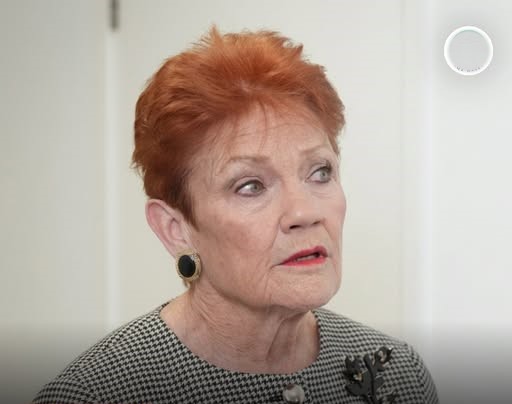
But Pauline Hanson quickly pushed back.
And that is where the controversy gets even more complicated.




😱 The number that changed the conversation
One Nation has repeatedly promoted a target of 130,000 net overseas migrants a year.
That figure has been central to the party’s argument that Australia needs a dramatic reduction in migration.
But Farley suggested there was another layer to the policy.
According to his explanation, the 130,000 figure could sit alongside at least 100,000 additional skilled workers needed in areas such as agriculture, engineering, mining and aged care.
Put those figures together and the result is approximately 230,000 people a year.
And suddenly, the political difference becomes much less obvious.
🚨 Pauline Hanson moves to clarify the position
Hanson rejected the suggestion that One Nation’s migration target was effectively 230,000.
She insisted that the party’s official policy remains to reduce net overseas migration to 130,000.
She has argued that the party would achieve this through measures including reducing international student numbers, tightening temporary graduate visas and creating a more targeted skilled migration program.
So what exactly is the real figure?
That is the question now hanging over One Nation.
👀 130,000… but with another 100,000?
The dispute has exposed how complicated Australia’s migration statistics can be.
Net overseas migration is not simply a fixed number of visas issued by the government. It is calculated from arrivals and departures, with people counted according to how long they remain in Australia.
Some short-term workers may not enter the NOM calculation if they do not meet the relevant residency test, while longer-term workers can be included.
That distinction is at the heart of the argument.
Farley’s position was essentially that Australia could dramatically reduce the broader migration intake while still allowing workers considered essential to the economy to enter.
Hanson, meanwhile, has maintained that 130,000 is the party’s NOM target.
🔥 The political opponents are already pouncing
The confusion has handed Labor an opportunity to attack One Nation’s credibility on one of its signature political issues.
Chris Bowen said Farley’s comments appeared to suggest One Nation was effectively supporting an approach similar to the government’s.
Other critics have questioned whether One Nation has a sufficiently consistent migration policy.
And the timing could hardly be more politically significant.
Migration has become one of the biggest battlegrounds in Australian politics, with Labor, the Coalition and One Nation all facing pressure to explain how many people Australia should accept and what types of migrants should be prioritised.
🏠 But this isn’t just about a number
Behind the political argument is a much bigger question:
What level of migration can Australia realistically sustain?
Supporters of lower migration argue that rapid population growth puts additional pressure on housing, infrastructure and essential services.
Business groups, however, have warned that cutting skilled migration too aggressively could worsen worker shortages in sectors including construction, health, aged care and manufacturing.
That creates a difficult balancing act.
Australia needs more homes.
But Australia also needs people to build them.
Australia needs better infrastructure.
But many of the workers required to deliver it may come through migration.
And that is why the debate is becoming increasingly heated.
😳 So what would One Nation actually deliver?
For voters, perhaps the most important question is not whether 130,000 sounds attractive.
It is what that number actually means in practice.
Would Australia really see net overseas migration fall to 130,000?
Would another 100,000 skilled and essential workers be admitted through separate arrangements?
Which workers would qualify?
And how would those workers be counted?
Those questions remain at the heart of the controversy surrounding Farley’s comments.
🚨 130,000 OR 230,000 — WHAT DO YOU BELIEVE?
One Nation wants voters to see its policy as a major reduction in Australia’s migration levels.
But David Farley’s comments have opened the door to a very different interpretation — one in which the effective figure could be much closer to the levels being discussed by the major parties.
For now, Pauline Hanson insists the official target is 130,000.
But the political damage may already have been done.
Because after voters heard the figure 230,000, one question became almost impossible to ignore:
Is One Nation really proposing a dramatic migration cut — or is the real story hidden in the numbers?