‘Goodnight Australia’: Johnny Young’s Final Farewell at 79 Carries a Deeply Personal Meaning
Australian television legend Johnny Young has died aged 79 after a brief battle with pancreatic cancer. The Young Talent Time creator leaves behind decades of television and music history — as well as one particularly poignant family story.
Johnny Young Dies Aged 79: The Remarkable Life Behind One of Australian TV’s Most Familiar Faces
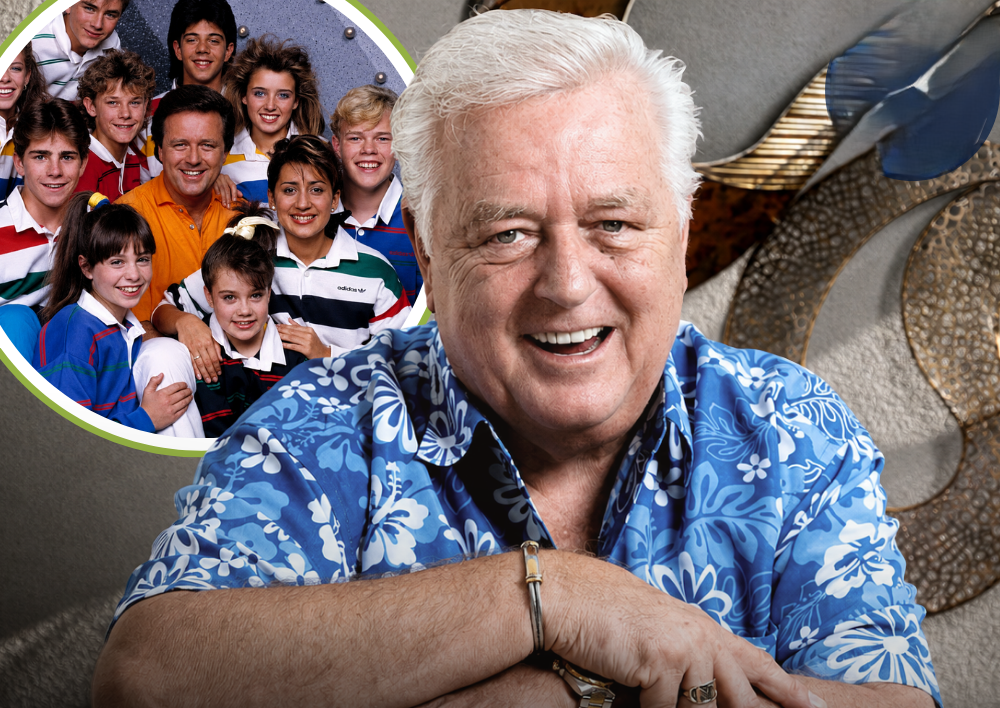
Australian entertainment icon Johnny Young has died aged 79, bringing to a close a remarkable career that stretched from the pop charts of the 1960s to one of the most recognisable television programs in the country.
The singer, songwriter, producer and longtime Young Talent Time host died following a brief battle with pancreatic cancer, with his family confirming he passed away surrounded by loved ones.
But for generations who grew up watching Australian television, Young’s story began long before the familiar face, the young performers beside him and the words that became his trademark sign-off.




His was a career that moved through music, television, songwriting and radio — while quietly helping shape the careers of stars who would become household names themselves.
From the Netherlands to Australian showbusiness
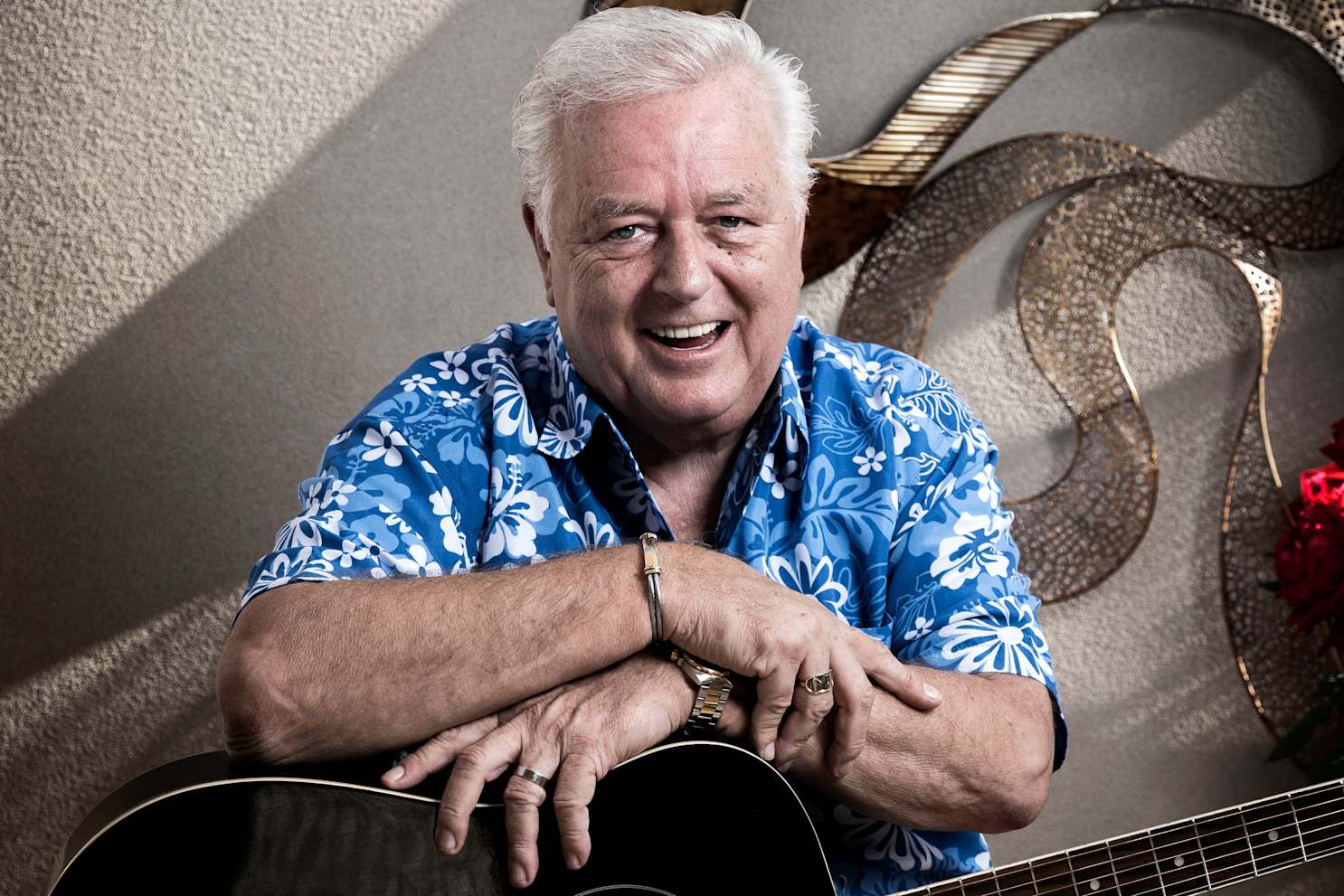
Born Johnny Benjamin De Jong in the Netherlands in 1947, Young moved to Australia as a child and would eventually establish himself in Perth before emerging as one of the country’s young pop performers during the 1960s.
Long before Young Talent Time, Young was already finding an audience through music.
Performing with Johnny Young and Kompany, he enjoyed a string of pop successes during the mid-to-late 1960s, including the No.1 double-sided hit Step Back / Cara Lyn.
It was the first major chapter of a career that would prove unusually versatile.
Rather than remaining only in front of the microphone, Young increasingly moved into songwriting, production and television — skills that would ultimately define his contribution to Australian entertainment.
The songwriter behind some of Australia’s memorable hits

Young’s name was not always the one audiences saw on the record cover.
Behind the scenes, he developed into a successful songwriter and producer, writing material that became closely associated with other Australian performers.
Among his best-known works was The Real Thing, recorded by Russell Morris, while he also wrote Smiley for Ronnie Burns. His family highlighted both songs when announcing his death.
That ability to recognise and develop talent would soon become even more important.
Because in the early 1970s, Young helped create something that would make his name familiar inside Australian homes for nearly two decades.
The program that changed everything

In 1971, Young Talent Time arrived on Australian television.
Created by Young with business partner Kevin Lewis, the variety program combined music, dancing and a talent competition with a regular group of young performers.
Young was not simply the face standing at the centre of the stage.
He was creator, host and producer, helping guide the program throughout its original run from 1971 until 1988.
The concept had been partly inspired by the feeling Young remembered from The Mickey Mouse Club.
He once explained that he liked the simplicity of an older figure alongside a group of children singing and dancing, but expanded the idea into an hour-long format with a talent competition.
It proved to be a remarkably successful formula.
He helped introduce a generation of Australian stars

Perhaps the greatest legacy of Young Talent Time was not simply how long it remained on television, but what happened to many of the young performers after leaving it.
Among those whose early careers were shaped by the program were Tina Arena, Dannii Minogue, Debra Byrne and Jamie Redfern.
Arena joined the program as a child and would later build an international recording career, while Minogue went on to become another of Australia’s best-known performers.
The National Film and Sound Archive has also preserved footage illustrating how deliberately the program worked to give its young cast individual personalities that viewers at home could connect with.
Young’s influence therefore extended well beyond his own time in front of the camera.
For some performers, Young Talent Time became their first major doorway into an industry they would remain part of for decades.
The words Australians came to know

There was also one small ritual that became inseparable from Young’s television identity.
Episodes traditionally ended with Young and the cast performing The Beatles’ All My Loving, before the host delivered the sign-off remembered by generations of viewers:
“Goodnight Australia!”
It became one of those simple television traditions capable of transporting longtime viewers immediately back to Saturday nights in another era.
Even decades later, reunions and anniversary programs demonstrated how strongly Young Talent Time remained connected to the memories of its audience and former cast.
Recognition across both television and music
Young’s achievements were eventually formally recognised by both industries in which he had made his name.
In 1990, he entered the TV Week Logies Hall of Fame, recognising his lasting contribution to Australian television.
Twenty years later came another major honour.
In 2010, Young was inducted into the ARIA Hall of Fame, joining a group recognised for significant contributions to Australian recorded music.
It was a fitting acknowledgement of a career that could easily have been remembered for television alone, despite the decades of songwriting and music that came before and alongside it.
Young also continued working in radio at different stages of his career, another indication of just how many corners of Australian media his professional life touched.
Behind the public success was a much more painful chapter
Yet behind the career milestones and familiar television memories, Young’s personal life also carried considerable loss.
His first wife and childhood sweetheart, Jane, died from leukaemia while still in her twenties.
Years later, another devastating loss would follow.
Young’s only son, Craig, died in 2014 aged just 48.
And there is one detail that now makes that chapter especially poignant.
Craig also died from pancreatic cancer — the same disease Young’s family says Johnny battled before his death.
It adds an unexpectedly personal dimension to the final chapter of a man Australians largely knew through music, smiling young performers and Saturday-night television.
A legacy measured in generations
Young is survived by his wife Marisha, sister Cornelia, daughters Anna and Fleur, seven grandchildren and two great-grandchildren.
His family has asked for privacy and said details of a memorial service will be announced.
For some Australians, Johnny Young will be remembered as the pop singer who emerged in the 1960s.
For others, he was the songwriter behind records that became part of Australian music history.
But for a generation who grew up with Young Talent Time, he will perhaps always be the familiar figure surrounded by young performers at the end of another Saturday-night show.
And decades after those episodes disappeared from the weekly television schedule, the careers he helped start — and the memories the program created — remain a significant part of his legacy.