Stricter schools, a war on woke and less overseas students — this is education under One Nation
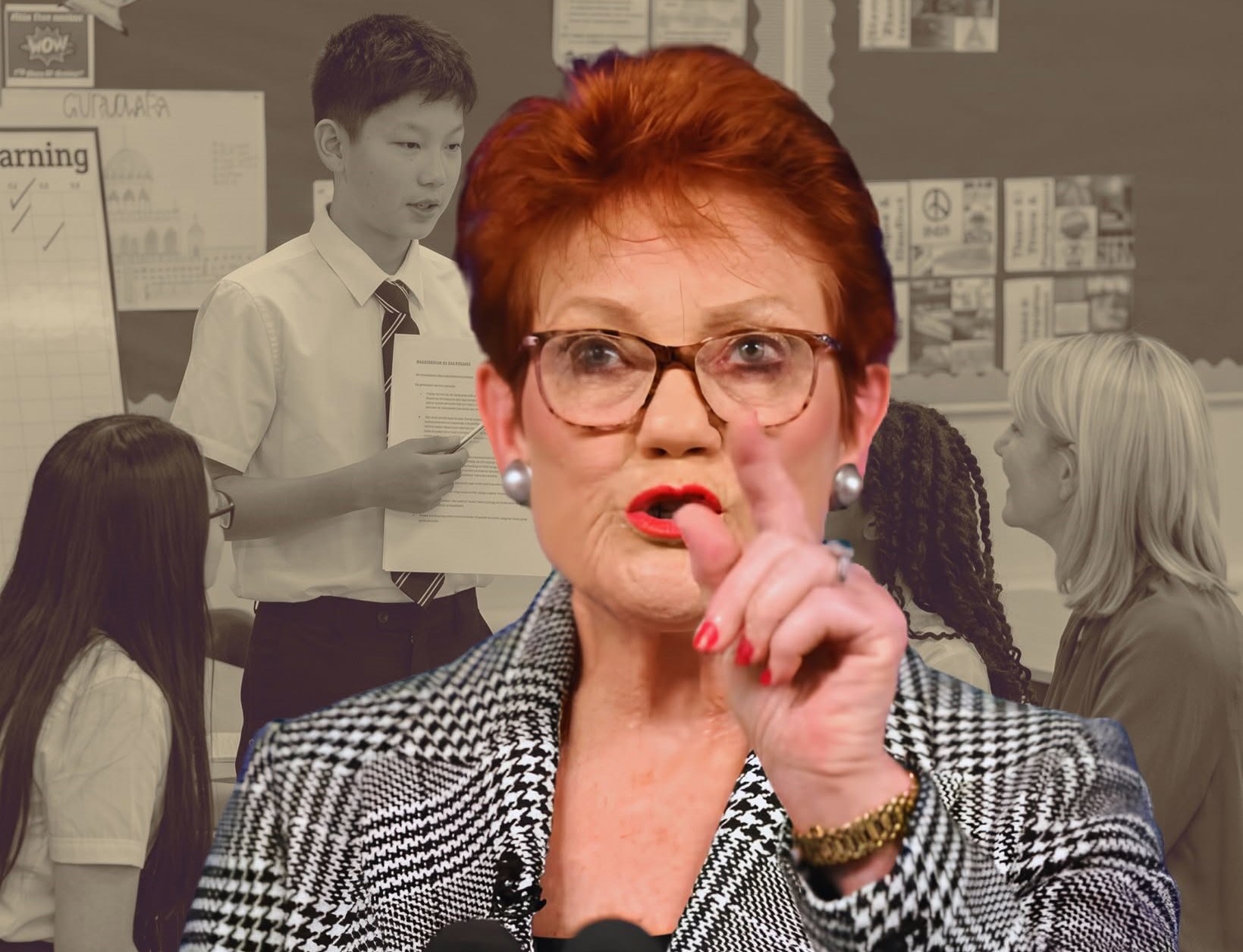
Stricter schools, a war on woke and less overseas students — this is education under One Nation
Australia’s education system could be on the verge of its biggest ideological shake-up in decades if One Nation’s vision ever becomes reality.
Promising a return to “back-to-basics” learning, tougher discipline and sweeping reforms across schools and universities, the party says it wants to rebuild an education system that has “lost its way.” Supporters argue the changes would restore academic standards and put Australian students first. Critics warn the proposals could reshape classrooms in ways that divide communities and weaken higher education.
A return to discipline
One Nation’s education blueprint places discipline at the centre of school life.
The party argues that classrooms should focus primarily on reading, writing, mathematics and critical thinking rather than what it describes as political or ideological activism. Under its proposals, schools would be expected to adopt stricter behavioural standards, while parents would receive greater influence over what their children are taught.
Another significant proposal is ending the automatic promotion of struggling students into higher year levels. Instead, students who fail to meet required academic standards could repeat a year until they are ready to progress.




Supporters believe this would improve literacy and numeracy outcomes. Opponents argue that repeating students can create social and emotional challenges without necessarily improving long-term educational performance.
Declaring a “war on woke”
Perhaps the most controversial aspect of One Nation’s education agenda is its pledge to remove what it calls “woke ideology” from Australian classrooms.
Programs dealing with gender diversity, identity politics and some diversity initiatives could be removed or significantly scaled back under the party’s proposals. The party has also criticised existing school initiatives such as Safe Schools and Respectful Relationships, arguing that schools should concentrate on academic achievement rather than social or political issues.
Supporters argue these reforms would make classrooms politically neutral.
Critics strongly disagree, saying modern schools must prepare students to understand an increasingly diverse society and that many of these programs help reduce bullying and improve student wellbeing.
Universities face dramatic changes
Higher education would also experience major reform.
One Nation wants Australian universities to become less dependent on international students, arguing that institutions have relied too heavily on overseas enrolments for revenue.
Its proposals include tighter student visa rules, reducing international student numbers and ensuring universities prioritise domestic students instead. The party says these measures would ease pressure on housing and infrastructure while creating more opportunities for Australians.
However, university leaders and education experts warn that international education contributes billions of dollars to Australia’s economy each year. They argue that significant reductions in overseas enrolments could force universities to cut staff, reduce research funding and limit course offerings.
Childcare and vocational education also targeted
The proposed reforms extend beyond schools and universities.
One Nation has questioned existing childcare subsidies, arguing that government support should be redesigned to give families more direct control. The party has also expressed support for expanding apprenticeships while placing greater emphasis on private vocational education providers rather than publicly funded training institutions.
A vision dividing the nation
Education has become one of Australia’s most fiercely contested political battlegrounds.
For supporters of One Nation, these proposals represent a long-overdue correction—a return to discipline, academic excellence and parental choice.
For critics, they represent an ideological shift that risks reducing inclusiveness, limiting educational opportunities and placing Australia’s globally respected university sector under enormous financial pressure.
Whether Australians ultimately embrace or reject this vision remains uncertain. But one thing is already clear: education is no longer simply about classrooms and textbooks—it has become one of the defining political debates shaping Australia’s future.