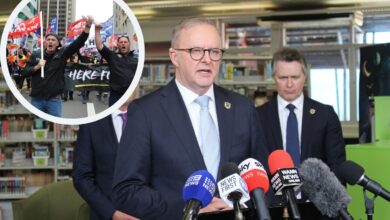
POLITICAL SHOCKWAVES: Canberra in Panic as One Nation Surge Triggers Fears of UK-Style Electoral Wipe-Out for Labor

Canberra is in full panic mode as explosive new polling and surprising regional election results have triggered serious fears of a major political revolt across Australia. What was once dismissed as fringe discontent is now looking like a genuine threat to the established political order. Analysts are warning that Labor could be heading toward a UK-style electoral wipe-out if current trends continue, with voter anger surging through suburban mortgage belts and regional communities. The alarm bells are ringing louder than ever inside the Labor government as they watch their traditional support base crumble in real time.
The situation intensified dramatically after One Nation candidate David Farley reportedly smashed a long-time Coalition stronghold in New South Wales. This unexpected victory has sent shockwaves through both major parties, with many insiders now acknowledging that millions of frustrated Australians are abandoning the political establishment altogether. The result is being seen as a clear warning sign that traditional voting patterns are breaking down faster than expected, and the old rules of Australian politics no longer apply.

Australians are increasingly furious over a range of pressing issues that are hitting household budgets and daily life hard. Soaring power bills have become a daily struggle for families trying to keep the lights on and food in the fridge. Housing affordability has reached crisis levels, making it almost impossible for young people and first-home buyers to enter the property market. Mortgage stress is at record highs as interest rates remain elevated and repayment pressures mount. Inflation continues to erode living standards, eating away at savings and making basic necessities feel like luxuries. Immigration pressure is adding intense strain to already stretched infrastructure, healthcare, and education systems. On top of all this, fears surrounding proposed new property tax changes have further angered homeowners and investors who feel they are being unfairly targeted during an already difficult economic period.




Meanwhile, Pauline Hanson’s message on cheaper energy, stronger border control, and protecting working families is gaining traction far beyond traditional One Nation voters. Her straightforward, no-nonsense approach is cutting through the political noise and connecting with people who feel ignored, dismissed, or betrayed by the major parties in Canberra. Hanson’s ability to tap into these deep-seated frustrations has turned One Nation from a protest party into a genuine electoral force that can no longer be ignored.
Political insiders now fear that the “Canberra bubble” is losing touch with ordinary Australians struggling through one of the toughest economic periods in years. The disconnect between elite policy-making in the capital and the harsh realities faced by suburban and regional families has never been more apparent. Some senior figures within Labor are reportedly worried that the party’s focus on progressive issues has come at the expense of addressing basic cost-of-living concerns that matter most to working people. The Coalition is also under serious pressure, with their traditional base in regional Australia showing clear signs of shifting toward One Nation.
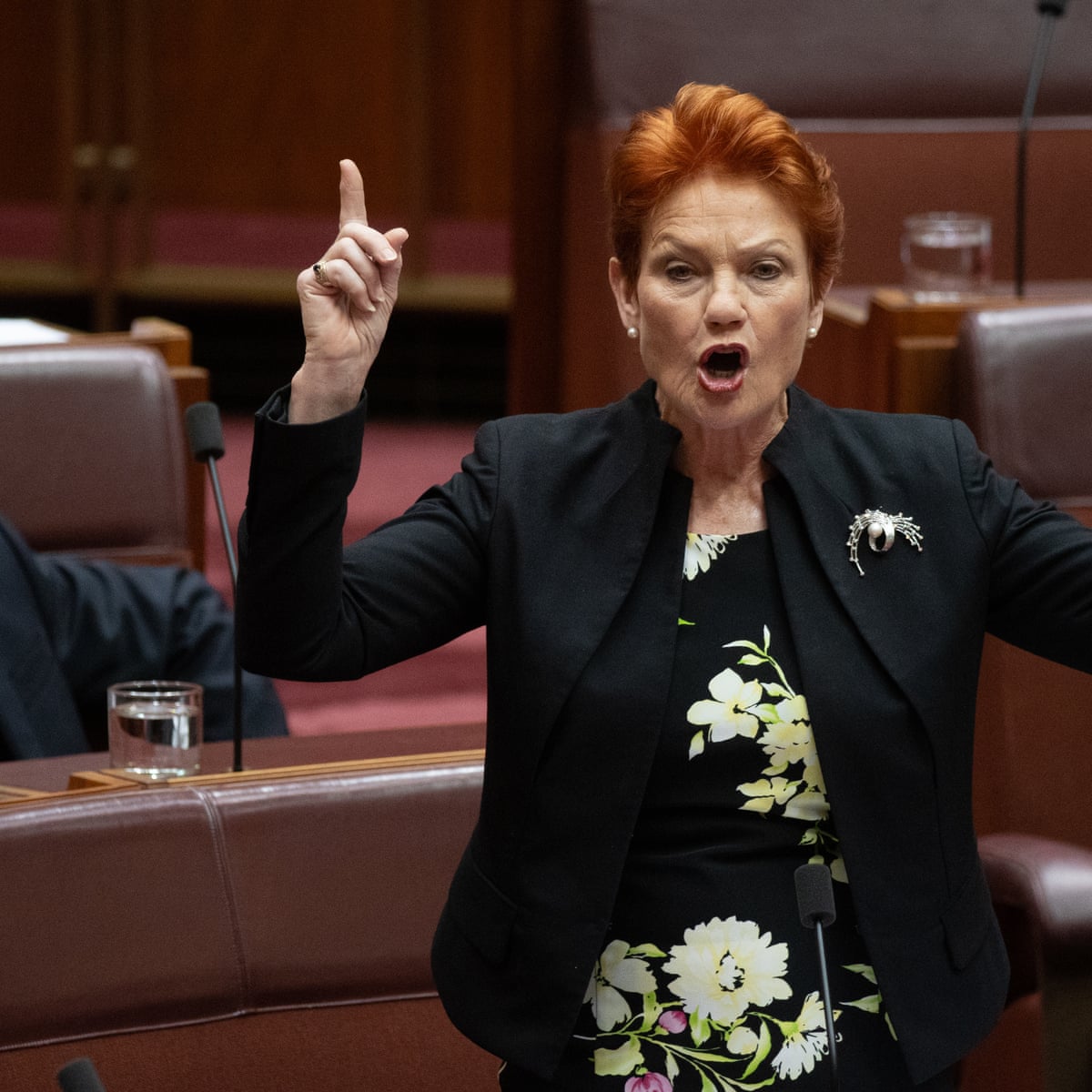
Some analysts believe Australia may be entering the biggest political realignment in decades. The rise of One Nation, combined with growing disillusionment with both Labor and the Coalition, suggests a fundamental shift in how Australians view politics and their relationship with the major parties. Voters are increasingly looking for alternatives that speak directly to their lived experiences rather than offering more of the same from the political establishment.
This moment represents more than just a protest vote. It reflects deep structural frustrations within Australian society that have been building for years. Rapid demographic change, persistent economic inequality, and a widespread sense that Canberra is out of touch have created fertile ground for populist movements like One Nation. Pauline Hanson has successfully positioned her party to capitalise on this discontent in a way that few predicted.
The implications extend far beyond electoral mathematics. A stronger One Nation presence could force a long-overdue national conversation about the pace of immigration, the protection of Australian workers, and the need to prioritise domestic needs over global agendas. It may also challenge the comfortable consensus that has dominated Australian politics for decades.
As the next federal election approaches, the major parties are watching One Nation’s polling numbers with growing concern. Both Labor and the Coalition may be forced to dramatically adjust their strategies on immigration, energy, housing, and economic policy to stem the bleeding. The political map of Australia could look very different after the next election if these trends continue.
The current political environment provides fertile ground for One Nation’s growth. Cost of living pressures have hit Australian families hard, with high inflation, rising interest rates, and stagnant wages creating widespread anxiety. Housing affordability has reached crisis levels in many cities, making it nearly impossible for young people to enter the property market. At the same time, rapid population growth through immigration has placed additional strain on infrastructure, healthcare, and education systems. Many voters feel these issues are interconnected and that the major parties have failed to manage them effectively.
One Nation’s messaging directly addresses these pain points. By calling for reduced immigration until housing and infrastructure catch up, prioritising Australian workers for jobs, and protecting local industries, the party offers a clear alternative to the status quo. This approach has particular appeal in regional Australia, where economic opportunities have often lagged behind the major cities.
The potential impact on Australia’s political landscape is profound. A stronger One Nation could break the two-party dominance that has characterised Australian politics for decades. Even without winning government, the party could hold the balance of power in the Senate or key lower house seats, giving it significant leverage to influence policy.
For Australian democracy, this development presents both opportunities and risks. On one hand, it offers a genuine alternative voice and forces the major parties to engage with issues they might otherwise ignore. On the other hand, increased polarisation could make consensus on important national challenges more difficult to achieve.
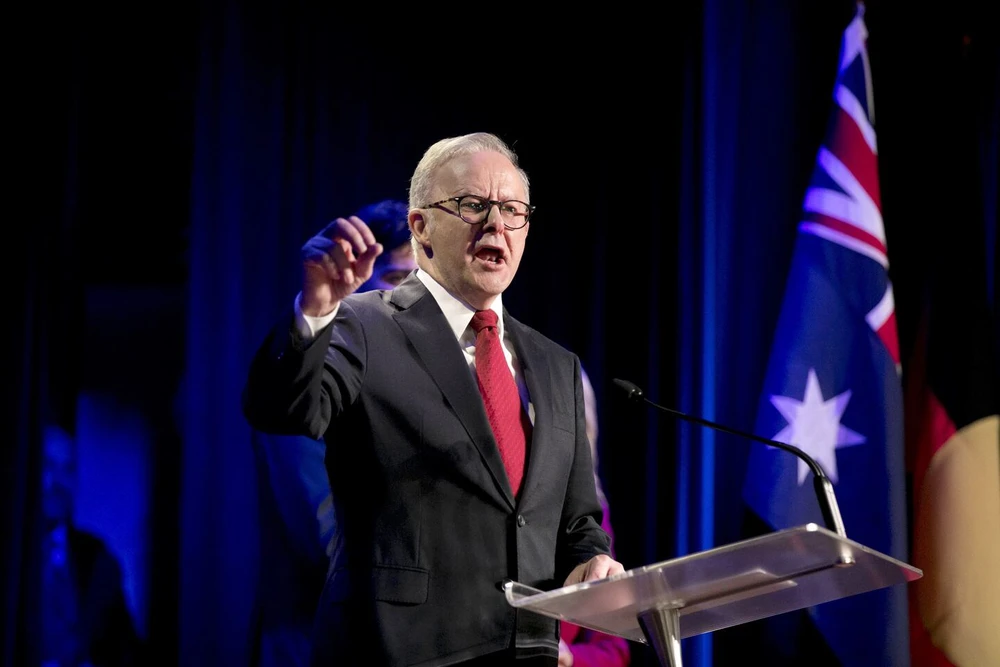
The coming months will be critical as all parties position themselves for the election campaign. Pauline Hanson will likely continue her strong grassroots approach, connecting directly with voters in regional areas. The major parties will need to decide whether to confront One Nation head-on or attempt to co-opt some of their popular positions.
The rise of One Nation also reflects broader global trends. Across Western democracies, populist and nationalist parties have gained ground by addressing concerns about immigration, economic insecurity, and cultural change. Australia is not immune to these international patterns. Pauline Hanson’s enduring appeal suggests that a significant portion of the electorate feels unrepresented by the traditional political establishment.
As this political realignment unfolds, the big question remains: Is a massive anti-establishment revolt now coming at the next election? The signs are increasingly pointing in that direction, and the major parties ignore them at their peril. Australian voters are sending a clear message that they are tired of the same old promises and want real change. Whether One Nation can capitalise on this moment will shape the country’s political future for years to come.
The establishment in Canberra can no longer afford to ignore the voices of ordinary Australians who feel left behind. The next federal election is shaping up to be one of the most unpredictable and consequential in modern Australian history.