A Tale of Two Seas: Lightning-Fast Whale Rescue in Australia Sparks Hope Amid Ongoing Crisis in the Ostsee
A Tale of Two Seas: Lightning-Fast Whale Rescue in Australia Sparks Hope Amid Ongoing Crisis in the Ostsee
While tension continues to mount in Europe over the fate of a stranded whale, a dramatic and remarkably efficient rescue operation in Australia is offering both hope—and uncomfortable comparisons.
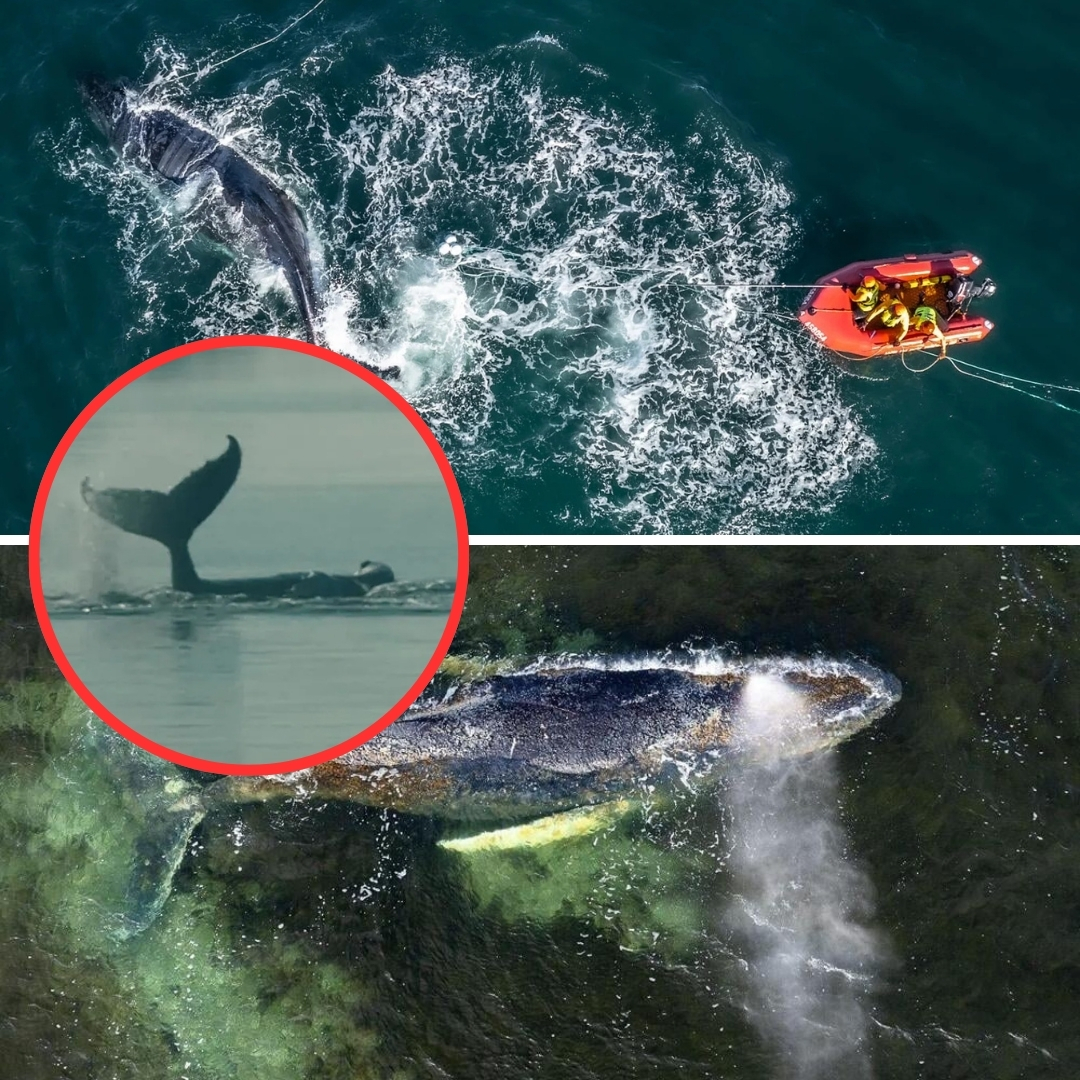
Off Australia’s rugged coastline, a distressed whale became trapped in shallow waters, sparking immediate concern among locals and marine authorities. But what followed was nothing short of extraordinary. Within hours of the first alert, a coordinated rescue mission was launched—bringing together marine biologists, veterinarians, rescue crews, and trained volunteers in a race against time.
Unlike many such operations that drag on for days, this rescue unfolded with striking precision. Teams assessed the whale’s condition, monitored tidal movements, and deployed specialized flotation equipment designed to support the animal without causing further stress. Boats carefully guided the whale, while experts remained in constant communication, adjusting their strategy in real time.




As night fell, floodlights illuminated the scene, turning the coastline into a high-stakes rescue zone. The atmosphere was tense—but focused. Every movement mattered. Every decision could determine the animal’s fate.
Then, in a moment that many described as “unforgettable,” the whale began to respond.
With the rising tide and coordinated guidance, the massive creature slowly regained buoyancy. Cheers erupted from the shoreline as it finally broke free from the shallow trap that had nearly cost it its life. Within approximately 24 hours of the initial distress call, the whale was not only free—but stable.
Experts later confirmed that the animal showed strong signs of recovery, swimming independently and heading back toward deeper waters. For many involved, it was a rare and emotional victory.
Meanwhile, thousands of kilometers away in the Ostsee, the situation could not be more different. Efforts to save another stranded whale—nicknamed “Timmy”—have been ongoing for days, plagued by logistical challenges, environmental constraints, and growing public pressure. Demonstrations, political debates, and conflicting expert opinions have only added to the complexity.
The contrast between the two cases has ignited intense discussion.
Why was Australia able to act so quickly? Was it geography, preparation, or simply luck? Marine experts caution against oversimplifying the comparison. Every stranding is unique—factors such as water depth, weather conditions, the whale’s health, and available resources all play crucial roles.
Still, the Australian rescue is being widely hailed as a model of rapid response and seamless coordination.
“It shows what’s possible when everything aligns—timing, expertise, and decisive action,” one marine specialist noted.
For now, the world watches both stories unfold—one a symbol of success, the other a test of persistence under pressure.
And as the rescued whale disappears back into the vast ocean, one question lingers in the air:
Can the same ending still be achieved for Timmy? 🐋